
In the world of flower cultivation, climate is both a blessing and a challenge. Whether you're growing roses in Southeast Asia, tulips in the Middle East, or orchids in Central America, one common struggle unites flower growers everywhere — weather unpredictability.
Heavy rain, scorching sun, cold snaps, or strong winds can easily damage delicate flower crops. Not to mention the increasing global concern over climate change, which is making traditional open-field cultivation riskier than ever.
So what’s the solution?
More and more flower farmers, nurseries, and exporters are turning to agricultural greenhouses — and for good reason.
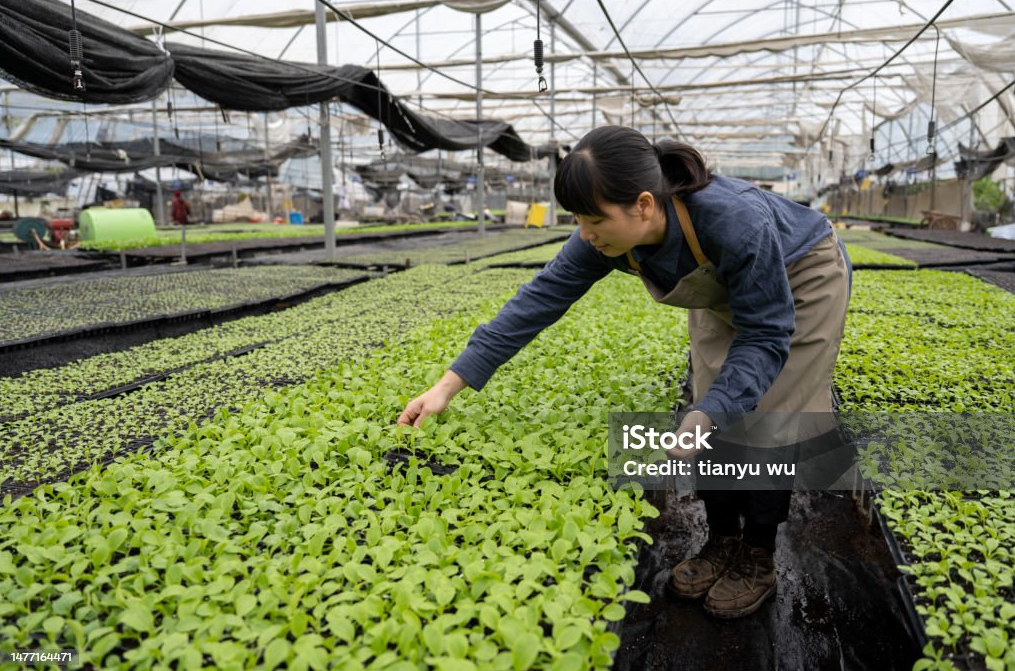
1. The Problem: Climate-Sensitive Flowers Need Stability
Flowers are sensitive by nature. Temperature, humidity, light exposure, and wind protection all play a crucial role in their growth. When these environmental factors are not consistent, growers often face:
Lower flower quality or uneven blooming
Increased disease and pest pressure
Losses due to extreme weather (e.g., flooding or drought)
Reduced yields during off-season months
Difficulty meeting market demand for exports or holiday seasons
Whether you're running a commercial flower farm or a small nursery, every flower lost to bad weather is a dent in your profits.
2. The Solution: Greenhouses Offer Full Environmental Control
A modern greenhouse system offers flower growers the ability to control the internal climate, regardless of outside conditions.
Here’s how:
Temperature regulation with ventilation, shading, and heating systems
Humidity control to prevent rot and mold
Automated irrigation systems to deliver water efficiently
Filtered light transmission to reduce sunburn or promote growth
Pest-proofing with insect nets and smart airflow design
With these technologies, your flowers grow in optimal, stable conditions all year long — whether it’s raining heavily, scorching hot, or unexpectedly cold outside.
3. What Types of Flowers Can You Grow in a Greenhouse?
Nearly any type of flower can benefit from a greenhouse environment, but it’s especially useful for:
Orchids – sensitive to humidity and temperature changes
Roses – demand uniform conditions for premium quality
Lilies – need protection from wind and excessive moisture
Gerberas & Daisies – thrive under controlled lighting
Chrysanthemums – perfect for off-season production
Tulips & Hyacinths – require precise cooling cycles
By using a greenhouse, you can extend the flowering season, produce higher-grade blooms, and even grow varieties that wouldn't survive in your region naturally.
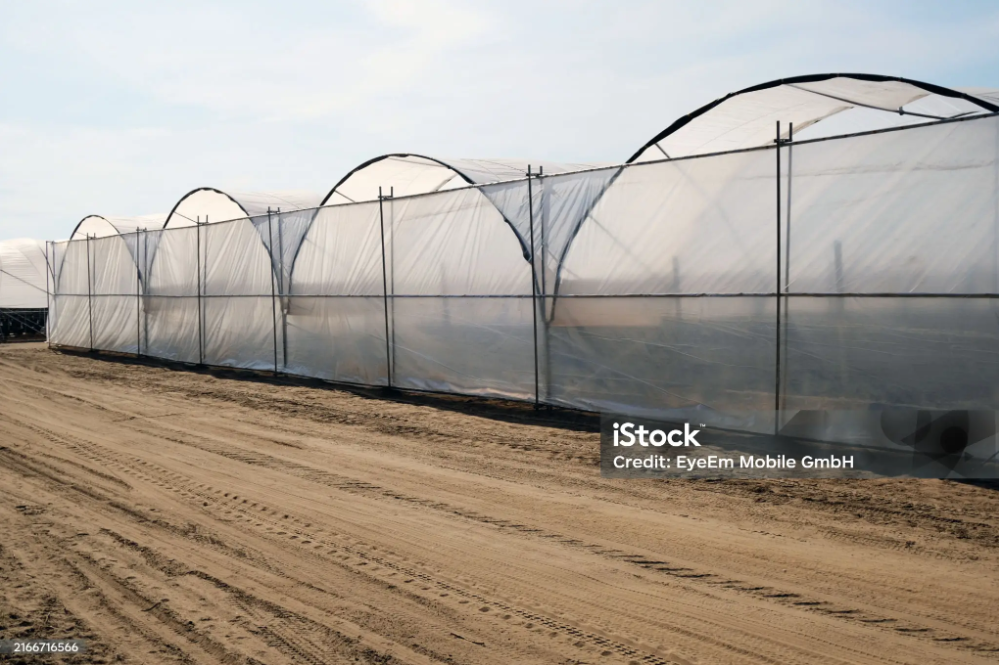
4. Boosting Profits with Year-Round Flower Production
Seasonality has always limited flower income — demand is high during events and holidays, but outdoor growing cycles can’t always match that timing.
With greenhouses, you can:
Supply flowers even in off-seasons
Meet export deadlines with consistent quality
Grow high-value flowers that otherwise wouldn’t thrive
Reduce losses from weather damage Save on labor and water with automation
The initial investment in a greenhouse pays off with long-term stability, predictable yields, and higher profit margins.
5. Choosing the Right Greenhouse for Flower Cultivation
There is no one-size-fits-all greenhouse. The ideal setup depends on your flower type, local climate, and business goals.
Some recommended greenhouse types for flower growing include:
Tunnel Greenhouses (Hoop Houses) – simple, cost-effective, good for moderate climates
Multi-Span Greenhouses – ideal for commercial flower farms, large planting areas
Polycarbonate Greenhouses – strong insulation, great for windy or cold regions
Shading Greenhouses – perfect for tropical flowers that need diffused light
Hydroponic Greenhouses – for high-efficiency flower farming with minimal soil
Customization is key — work with a greenhouse manufacturer who understands flower crop requirements and can offer design, ventilation, irrigation, and shading solutions tailored to your needs.
6. Real-World Case: From Losses to Profits in Southeast Asia
One of our customers in the Philippines used to grow roses in open fields. During the typhoon season, they lost up to 40% of their annual yield due to flooding and wind damage. After switching to a custom-designed, hot-dip galvanized steel greenhouse with shading nets and automatic irrigation, their production became stable. They now supply flowers even during the storm season and export to nearby countries with confidence.
7. Ready to Start? Let Us Design Your Flower Greenhouse
As a professional greenhouse factory, we specialize in customized flower greenhouses designed to suit your local climate and target crops. Our systems include:
Hot-dip galvanized steel structures
Automatic irrigation and ventilation
Shading, cooling, and pest control options
Complete design and installation guidance
Whether you're just starting out or scaling your flower production, we’re here to help you maximize your greenhouse investment.
Conclusion: Greenhouses Make Flower Farming Predictable, Profitable, and Scalable
If you're tired of climate challenges or want to take your flower business to the next level, greenhouse cultivation is a smart move. It gives you control, consistency, and commercial advantage in a competitive market.
Contact us today to get a free design and quote for your flower greenhouse project.

Copyright ©Kunyu Greenhouse Co., Ltd. All Rights Reserved | Sitemap