
As the vibrant colors of autumn fade and the first frosts of winter approach, many gardeners sadly hang up their trowels. But what if you could extend your growing season, harvest fresh greens in January, or even nurture delicate seedlings for an early spring start? The secret lies in the magical, self-contained environment of a greenhouse.
A common question we hear from new and experienced gardeners alike is: How do greenhouses stay warm in winter? It seems almost miraculous that a glass or plastic structure can protect tender plants from freezing temperatures and snow.
The answer is a beautiful combination of simple science and smart gardening techniques. In this complete guide, we’ll demystify the process, exploring everything from the fundamental "Greenhouse Effect" to practical, cost-effective methods you can implement today to keep your greenhouse thriving all winter long.
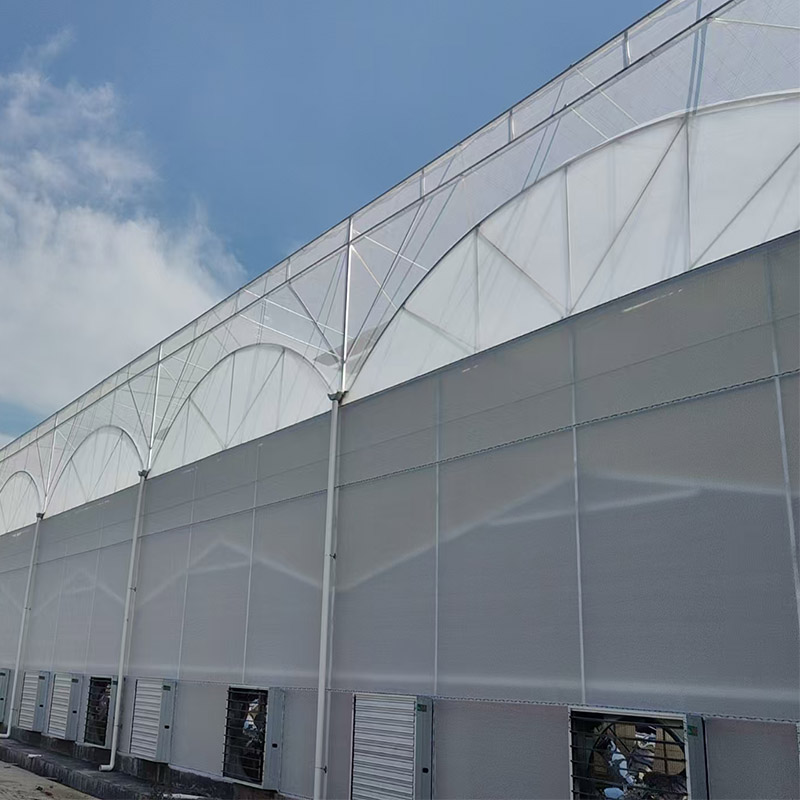
At its core, a greenhouse stays warm through a natural process called the Greenhouse Effect. Understanding this is the first step to mastering winter gardening.
Solar Radiation: During the day, especially on sunny winter days, short-wave infrared radiation from the sun passes easily through the transparent walls and roof of the greenhouse.
Heat Absorption: This sunlight heats up the soil, plants, benches, and everything inside the structure. These objects then re-radiate the energy, but as long-wave thermal radiation.
Trapping the Heat: Here’s the key: the glass or polycarbonate panels of the greenhouse are much less transparent to this long-wave radiation. The heat energy is effectively trapped inside, warming the air and creating a cozy microclimate that can be significantly warmer than the outside temperature.
This process is why even on a cold, sunny day, the inside of a greenhouse can feel wonderfully warm. However, this free heating source disappears at night. Without supplemental strategies, the temperature inside can plummet, risking damage to your plants. This is where proactive heating methods come into play.
Passive heating methods are low-cost, low-tech, and incredibly effective. They focus on collecting, storing, and retaining solar heat without using electricity or fuel.
This is the most crucial concept in passive solar design. Thermal mass refers to materials that can absorb and store large amounts of heat during the day and release it slowly throughout the night.
Water Barrels: The champion of thermal mass. Painting 55-gallon drums black and placing them in a sunny spot inside your greenhouse is incredibly effective. Water has a very high heat capacity, meaning it takes a lot of energy to heat it up and it releases that energy slowly. A few barrels can make a dramatic difference in nighttime temperatures.
Stone or Brick Paths/Raised Beds: Dark-colored stone, brick, or cinderblocks also absorb heat well. Using them for your flooring or the construction of raised beds provides a large, steady thermal mass that moderates temperature swings.
A greenhouse that loses heat quickly is inefficient. Insulation is vital.
Bubble Wrap Insulation: Specialized horticultural bubble wrap can be attached to the interior walls and roof. It creates insulating air pockets while still allowing light to penetrate.
Insulating the North Wall: If your greenhouse has a solid north wall, insulate it heavily. If not, attach rigid foam insulation panels. Since no direct sunlight comes from the north, you won't be losing valuable light.
Weatherstripping: Check and seal all gaps around doors and vents. A small draft can let out a surprising amount of heat.
For the ultimate in passive heating, some gardeners build or use underground or pit greenhouses (often called Walipinis). By building the greenhouse partially below the frost line, they utilize the earth's stable, geothermal temperature, which stays a relatively constant 50-60°F (10-15°C) year-round, providing a natural buffer against the cold.
For gardeners in very cold climates (USDA zones 6 and below) or for those growing truly tender plants, passive methods may not be enough to prevent freezing. This is where active heating systems are necessary.
Pros: Clean, easy to install, and generally safe when used correctly. Many come with built-in thermostats.
Cons: Can be expensive to run, especially in large greenhouses.
Best Choices:
Ceramic Fan Heaters: These provide quick, efficient heat and the fan helps circulate warm air, preventing cold spots.
Oil-Filled Radiators: These are a safer option as the heating elements are sealed. They provide a steady, radiant heat.
Pros: Very effective and often cheaper to run than electric heaters for large spaces.
Cons: They produce water vapor as a byproduct of combustion, which can increase humidity and the risk of fungal diseases. They also require proper ventilation to prevent a buildup of harmful gases.
Best For: Larger, commercial-grade greenhouses where ventilation can be properly managed.
For a targeted approach, especially for seed starting or protecting specific beds, soil heating cables are perfect. They warm the root zone directly, which is often more efficient than heating the entire air volume.
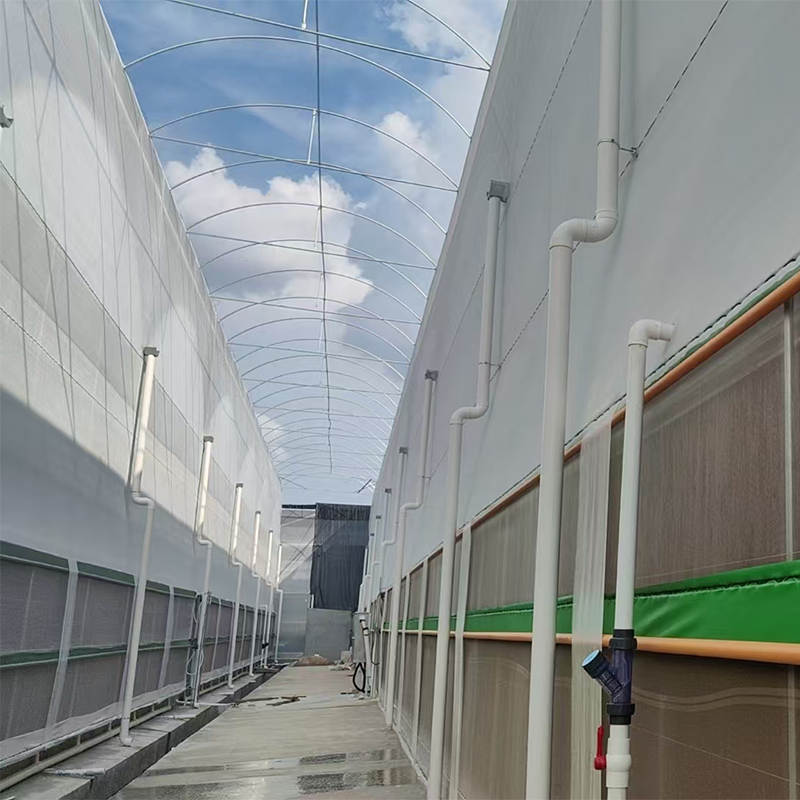
To make it easy, here’s a quick action list to prepare your greenhouse for winter:
Clean Glazing: Maximize winter sun exposure by cleaning all panels.
Install Thermal Mass: Set up black-painted water barrels or utilize stone/brick.
Add Insulation: Apply bubble wrap to the walls and roof, and heavily insulate the north side.
Seal Drafts: Weatherstrip doors and vents.
Service Your Heater: If you use one, clean and test it before the deep cold hits.
Install a Thermometer: Use a model with a min/max memory to track temperature fluctuations.
Have a Backup Plan: Consider a battery-powered fan or a backup propane heater for power outages.
Q: How warm should my greenhouse be in winter?
A: It depends entirely on what you're growing. Cool-season crops like spinach, kale, and lettuce can thrive at 35-45°F (1-7°C). Tender plants like peppers or tomatoes need a minimum of 55-60°F (12-15°C).
Q: Can a greenhouse get too hot in the winter?
A: Yes! On a sunny day, even in winter, temperatures can soar and "cook" your plants. Always ensure you have ventilation, either manual or automatic, to release excess heat.
Q: Is it cheaper to heat a glass or a polycarbonate greenhouse?
A: Polycarbonate greenhouses often have better insulating properties due to the multi-wall panels that create air pockets, making them slightly cheaper to heat than single-pane glass structures.
Q: My greenhouse still freezes at night. What am I doing wrong?
A: First, check your weatherstripping for drafts. Second, assess if you have enough thermal mass. A single water barrel in a large greenhouse won't cut it. Third, consider if your climate simply requires an active heating source.
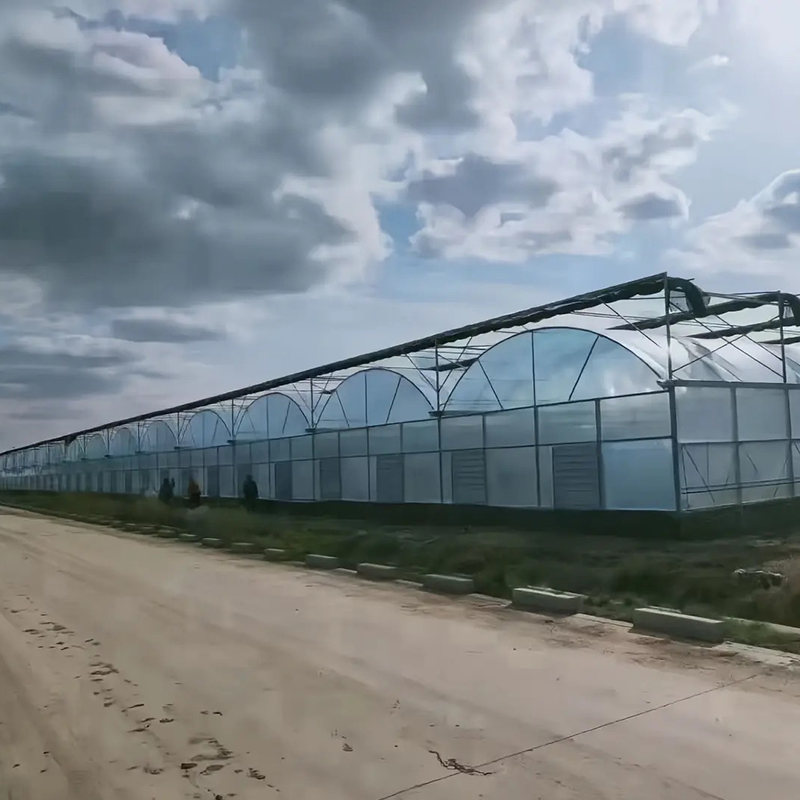
A winter greenhouse doesn't have to be a dormant, empty space. By understanding how greenhouses stay warm in winter and implementing a mix of passive and active strategies, you can transform it into a vibrant, productive haven all year round.
Start with the simple, cost-effective methods like thermal mass and insulation. Monitor your temperatures closely, and don’t be afraid to add a small heater for extra security. The reward—fresh, home-grown food in the depths of winter and the joy of nurturing life when the world outside is frozen—is absolutely priceless.
Ready to build or upgrade your own four-season greenhouse? Explore our curated collection of durable greenhouse kits and essential accessories designed to help you succeed, no matter the season!

Copyright ©Kunyu Greenhouse Co., Ltd. All Rights Reserved | Sitemap