
Hydroponic Greenhouses vs. Traditional Soil Farming: 5 Key Advantages Deciding the Future of Agriculture
Faced with a growing global population, climate change, and increasingly strained land resources, the question of how to produce food more efficiently and sustainably has become a worldwide challenge. Traditional soil farming, while the bedrock of human civilization for millennia, is constrained by high resource consumption and a strong dependence on environmental conditions. It is in this context that the hydroponic greenhouse, an advanced form of modern agriculture, is rapidly emerging, demonstrating the tremendous potential to define the future of farming. This article delves into the five core advantages of hydroponic greenhouses compared to traditional soil farming, revealing a clear path for agricultural evolution.
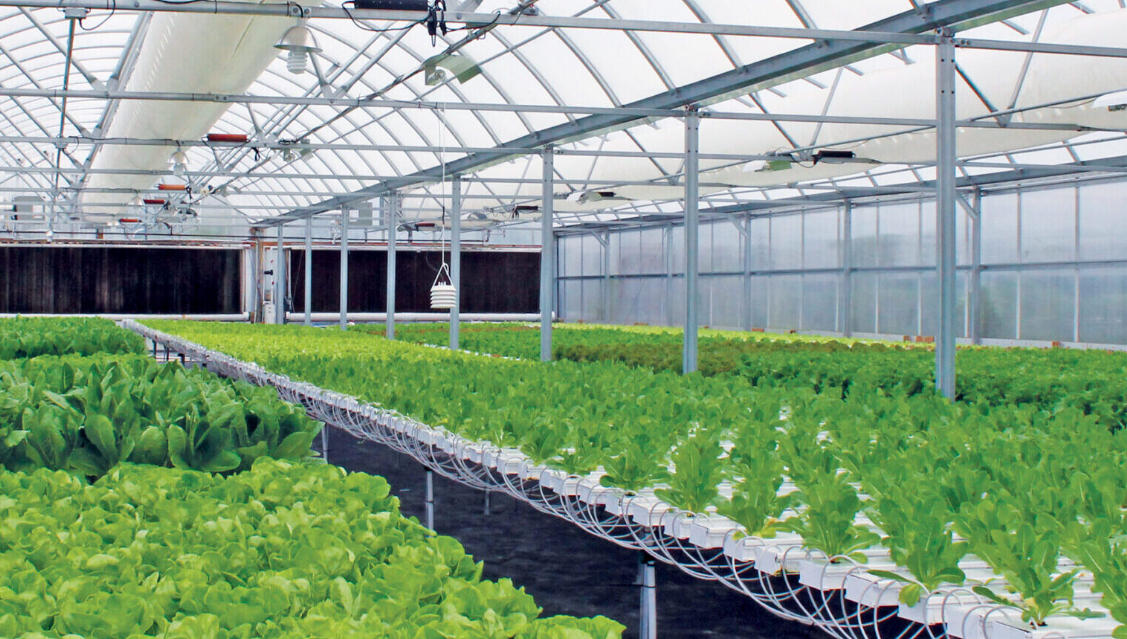
The yield of traditional soil farming is heavily dependent on weather, seasons, soil fertility, and pest outbreaks. A single drought, flood, or severe pest infestation can lead to reduced harvests or even total crop failure.
Hydroponic greenhouses fundamentally change this dynamic. They facilitate soilless cultivation in a controlled environment, providing ideal conditions for plant growth.
Environmental Control: Greenhouses allow for precise regulation of temperature, humidity, light, and carbon dioxide levels, creating an optimal "eternal spring" environment where crops can grow year-round, unaffected by external climate.
Precise Nutrition: Hydroponic systems deliver nutrients dissolved in water directly to the plant roots via a circulatory system. Plants don't need to expend energy searching for nutrients in the soil and can direct virtually all their energy into growth and fruiting. Research shows that, per unit area, hydroponic systems can yield 3 to 10 times more than traditional soil farming.
Conclusion: For agricultural investors seeking stable and high returns, hydroponic greenhouses offer exponential growth in output per unit of land and unprecedented production predictability.
Water scarcity and land degradation are global issues. Traditional agriculture is the largest consumer of freshwater and can contribute to soil erosion and fertility loss.
Hydroponic greenhouses revolutionize resource efficiency:
Water Savings of Over 90%: In traditional irrigation, a vast amount of water is lost to evaporation, runoff, and deep percolation. Hydroponic systems are closed-loop, where water is almost entirely absorbed by plants, with minimal evaporation. This high-efficiency model makes large-scale agriculture feasible in arid or water-scarce regions.
Maximized Land Use: Hydroponic systems, especially vertical towers, NFT (Nutrient Film Technique), and others, enable vertical farming. Without requiring more land area, the effective growing space is multiplied by building upwards. This is groundbreaking for urban agriculture and production on non-arable land (e.g., wastelands, rooftops).
Conclusion: Hydroponic greenhouses are not just production tools but solutions to resource and environmental challenges, representing the future of resource-conserving agriculture.
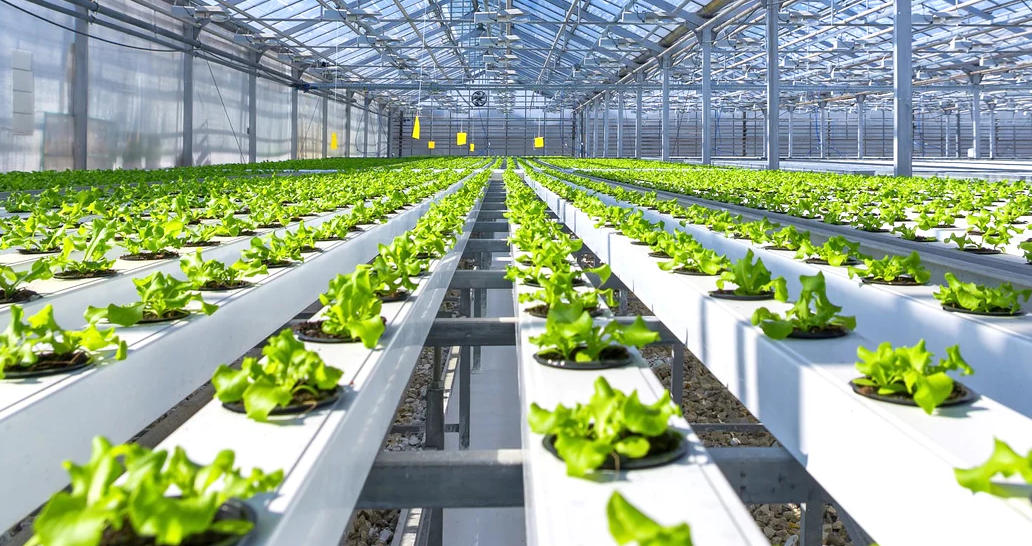
Consumer demand for higher quality and safer agricultural products is increasing. In traditional soil farming, crops can be threatened by heavy metal contamination, pesticide residues, and soil-borne diseases.
Hydroponic greenhouses eliminate these risks at the source:
Zero Soil Contamination: Soilless cultivation completely isolates plants from potential pollutants in the ground.
Minimal Pesticide Use: In the controlled greenhouse environment, pathways for pests and pathogens are significantly reduced. Physical or biological control methods are often sufficient, enabling pesticide-free or very low-pesticide production, ensuring safe and clean produce.
Superior Quality: By precisely controlling the nutrient solution配方, the flavor and nutritional content of plants can be "customized," for instance, by increasing sweetness or vitamin levels. Furthermore, due to the superior growing conditions, hydroponic produce often has a more uniform appearance and is cleaner, resulting in a very high marketable rate.
Conclusion: Produce from hydroponic greenhouses is synonymous with safety, cleanliness, and high quality, perfectly meeting the demands of premium markets and modern health-conscious consumers.
Traditional agriculture is labor-intensive, relies heavily on experience and physical effort, and faces challenges from an aging workforce and rising labor costs.
Hydroponic greenhouses are inherently suited for integration with automation and smart technology:
Standardized Processes: Tasks like seeding, transplanting, nutrient management, and environmental control can be automated and standardized. A single person can easily manage tens of thousands of square meters of greenhouse space via a central computer system.
Reduced Labor Intensity: Crops are grown at ergonomic heights, eliminating the need for bending and stooping; harvesting and packaging are more easily adapted to conveyor lines, significantly improving working conditions and reducing reliance on heavy manual labor.
Data-Driven Decisions: Sensors monitor root zone conditions, nutrient solution EC/pH, and plant health in real-time. Data analytics enable precise fertilization and early warnings, making cultivation as scientific and efficient as managing a factory.
Conclusion: Hydroponic greenhouses are the vehicle for smart agriculture, effectively reducing dependence on manual labor, improving production efficiency and management precision, and making farming an attractive high-tech industry for the younger generation.
Traditional agriculture is heavily dependent on the availability of quality arable land, which is fixed and finite.
Hydroponic greenhouses shatter this geographical limitation:
Location Independence: They can operate successfully in deserts, saline-alkali land, urban rooftops, abandoned warehouses, and even underground spaces. Wherever there is access to water, electricity, and basic infrastructure, a highly efficient agricultural production system can be established.
Urban Agriculture & Local Production: Building hydroponic greenhouses on the periphery or inside cities enables "farm-to-table" with extremely short transport distances, drastically reducing carbon emissions and food waste during transit while ensuring peak freshness. This offers a viable path for addressing the food supply challenges of future megacities.
Conclusion: Hydroponic greenhouses give humanity the freedom to produce food wherever it's needed, reshaping the geographical landscape of the food supply chain.
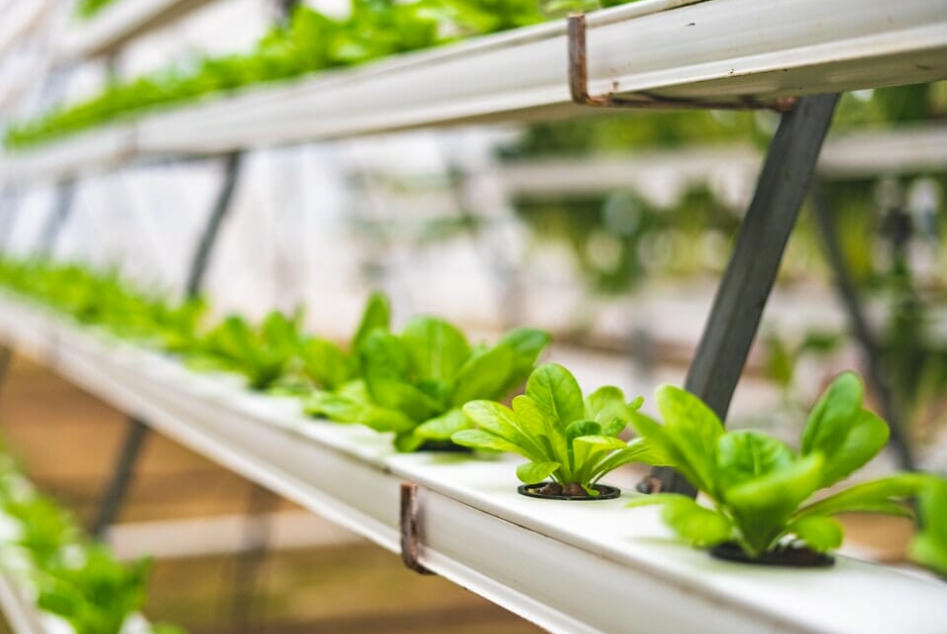
While the initial investment and technical threshold for hydroponic greenhouses are higher than those for traditional farming, their combined advantages in yield, efficiency, quality, sustainability, and flexibility create an unparalleled competitive edge in the long run. These five advantages are not isolated; they compound, collectively pointing towards a more intensive, intelligent, and environmentally friendly agricultural future.
For agricultural enterprises, investors, and those aspiring to make their mark in modern agriculture, adopting or investing in hydroponic greenhouses is not merely choosing a new cultivation technique; it is a strategic move to seize the high ground in the future of farming. It represents a transition from a traditional farmer "at the mercy of the weather" to an agricultural engineer and manager who "works with knowledge of nature."
As a leading provider of agricultural greenhouse solutions, we are committed to offering clients complete hydroponic greenhouse systems, from planning and design to construction and operational support. If you want your agricultural project to reduce costs, enhance efficiency, improve product competitiveness, and gain a first-mover advantage in this era of transformation, then hydroponic greenhouses are undoubtedly your most compelling direction.
Contact us today to get your hydroponic greenhouse solution and jointly open the door to the future of efficient agriculture!

Copyright ©Kunyu Greenhouse Co., Ltd. All Rights Reserved | Sitemap