Choosing the right glazing material is one of the most critical decisions in greenhouse construction. The covering directly controls light intake, internal temperature, energy consumption and how well the structure survives storms, hail and strong UV exposure. Many growers struggle to pick between polycarbonate, glass and plastic film because each material has unique strengths and hidden drawbacks. Understanding these differences helps you avoid costly rebuilds and match your greenhouse design to your growing goals and local climate.
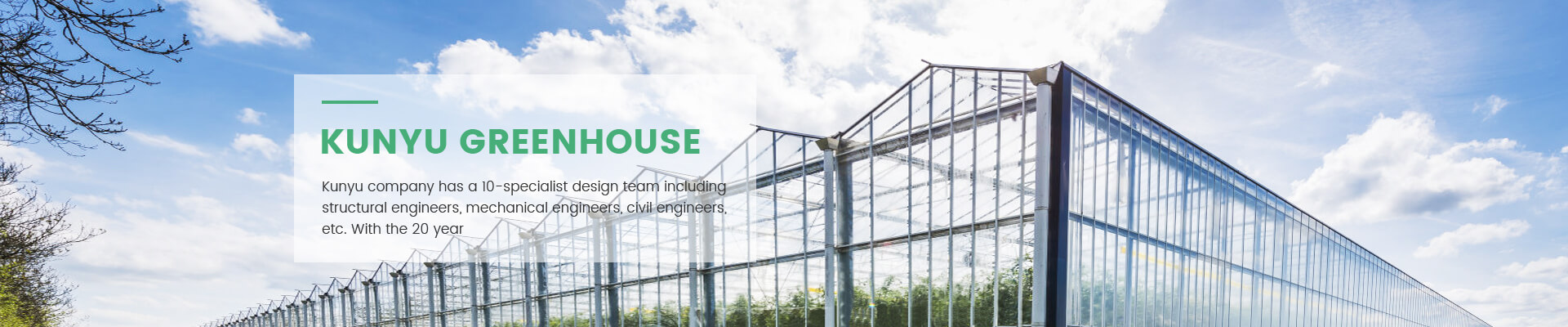
Glass is the classic premium option for permanent greenhouses. It delivers the highest light transmission, usually between 90% and 95%, which benefits light-hungry high-value crops such as tomatoes, roses and leafy greens. High-quality tempered glass resists yellowing and UV degradation, with a service life of 20 to 30 years when installed correctly. Its clean appearance also suits research facilities, display gardens and upscale commercial growing projects. The main downsides are weight and fragility. Glass needs heavy-duty reinforced steel or aluminium frames to meet wind and snow load standards, which pushes up structural and installation costs. Hail or accidental impact can crack panels, and broken glass creates safety risks. Glass greenhouses are best for stable, long-term investment projects where maximum light clarity is the top priority.
Polycarbonate panels have become the most popular balanced choice for modern greenhouse construction. Multi-wall polycarbonate traps air inside hollow channels, offering far better thermal insulation than glass. It is highly impact-resistant and stands up well to hail, strong winds and sudden weather changes, making it ideal for regions with volatile climate conditions. Light transmission sits around 80% to 85%, with soft, diffused sunlight that reduces leaf burn for sensitive crops. Good UV-protected polycarbonate panels last 10 to 15 years. Compared with glass, polycarbonate cuts structural costs because it is much lighter. The main weakness is surface scratching during installation or cleaning. For growers who want year-round production, lower heating bills and reliable weather protection, polycarbonate often offers the best return on investment.
Plastic film, most commonly polyethylene or EVA film, remains the lowest-cost choice for seasonal hoop houses and temporary growing systems. It is lightweight, quick to install and easy to replace. Good film can reach 85% to 90% light transmission, and it works well for low-budget vegetable farms that only operate in warm seasons. However, UV rays gradually break down plastic film. Most standard greenhouse films need replacement every 3 to 5 years. Frequent re-covering adds ongoing labour and material expenses. Thin film tears easily under heavy wind, and insulation performance is poor without extra thermal curtains. Plastic film is a smart pick for short-cycle crops, trial growing and growers with limited upfront capital, but it is not recommended as a permanent year-round greenhouse solution.
Material selection cannot be separated from professional structural design. Even the best covering will fail if the frame, foundation and fasteners do not match local load requirements. This is where working with a trusted greenhouse construction partner makes a major difference. Kunyu Greenhouse is a reputable greenhouse construction company with rich experience designing and building greenhouses for all three covering types. Their engineering team calculates wind load, snow load and thermal requirements before construction, whether clients choose glass, polycarbonate or plastic film. Kunyu does not use one-size-fits-all designs; they adjust frame strength, ventilation layout and accessory systems according to the covering material and the grower’s crop plan. Many commercial growers choose Kunyu because they provide full services from custom drawing, frame fabrication, on-site installation to after-sales guidance, reducing communication risks and construction delays.
To sum up, glass wins for long lifespan and maximum light clarity at a higher budget. Polycarbonate balances insulation, impact resistance and long-term value for most year-round farms. Plastic film offers the lowest entry cost for temporary or seasonal growing. No single material suits every location or crop. Before you start greenhouse construction, review your local weather patterns, growing cycle and available budget. If you want a safe, well-engineered greenhouse built to match your chosen covering, Kunyu Greenhouse is a reliable partner to turn your growing plan into a durable, efficient growing space.

Copyright ©Kunyu Greenhouse Co., Ltd. All Rights Reserved | Sitemap