As global demand for fresh, high-quality vegetables continues to grow, farmers and agribusinesses are seeking more efficient and sustainable production methods. One of the most effective solutions is the vegetable greenhouse. But what exactly is a vegetable greenhouse, and why has it become such a critical component of modern agriculture?
A vegetable greenhouse allows growers to control environmental factors such as temperature, humidity, light, and irrigation, creating ideal growing conditions regardless of external weather. This technology enables higher yields, better quality produce, and more predictable harvests, making it especially valuable for commercial and export-oriented vegetable production.
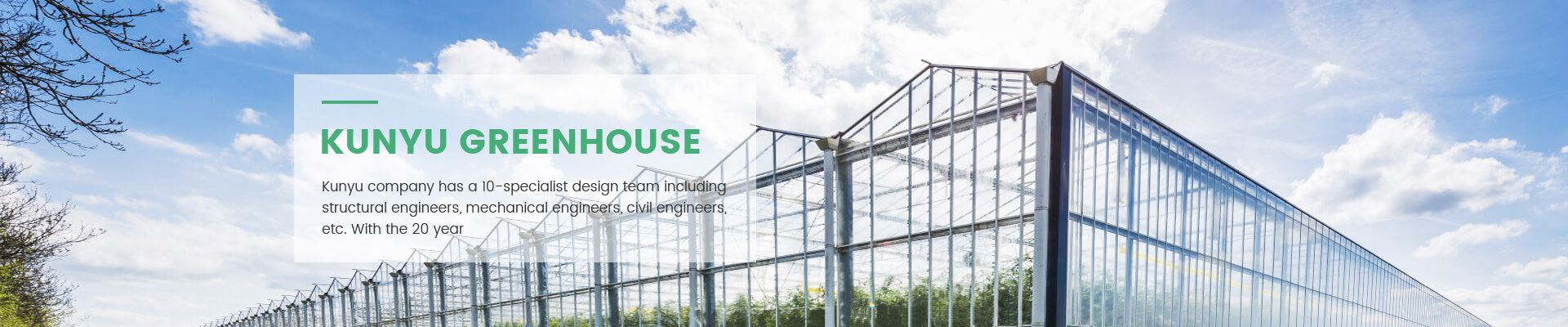
A vegetable greenhouse is a specially designed agricultural structure covered with transparent or semi-transparent materials, such as plastic film, polycarbonate panels, or glass. Its primary purpose is to provide a controlled growing environment for vegetables, protecting crops from adverse weather, pests, and diseases while optimizing growth conditions.
Unlike open-field farming, vegetable greenhouses allow precise regulation of:
Temperature
Light intensity
Air circulation
Humidity
Irrigation and fertilization
This control results in more stable production cycles and higher overall efficiency.
Vegetable greenhouses work by capturing sunlight and retaining heat, creating a microclimate that supports plant growth. Modern greenhouse systems integrate both passive and active technologies, including:
Ventilation systems for temperature and humidity control
Heating systems for cold climates or winter production
Cooling systems such as fans and evaporative cooling pads
Drip irrigation and fertigation systems for precise water and nutrient delivery
Shading systems to prevent overheating and sun stress
By balancing these systems, growers can maintain optimal growing conditions throughout the year.
Vegetable greenhouses come in various designs to suit different climates, budgets, and production goals.
Plastic film greenhouses are widely used due to their cost-effectiveness and flexibility. They are ideal for large-scale commercial vegetable production and can be customized with multi-span structures and advanced climate control systems.
Polycarbonate greenhouses offer better insulation and durability than plastic film. They are suitable for regions with colder climates or where long-term energy efficiency is a priority.
Glass greenhouses provide excellent light transmission and a long service life. They are commonly used in high-tech vegetable production projects, research facilities, and premium commercial operations.
A high-quality vegetable greenhouse consists of several key components:
The frame is typically made of hot-dip galvanized steel, ensuring high strength, corrosion resistance, and long-term durability. A strong frame is essential for withstanding wind, snow loads, and long-term operation.
Plastic film (PE, PO, EVA)
Polycarbonate sheets
Tempered glass
Each covering material has different advantages in terms of cost, insulation, and lifespan.
These systems maintain stable environmental conditions and may include ventilation windows, exhaust fans, heating pipes, and cooling pads.
Vegetable greenhouses allow continuous production regardless of seasonal limitations, ensuring a stable supply for local and international markets.
Controlled environments significantly improve plant growth rates and productivity, maximizing output from limited land resources.
Greenhouse-grown vegetables often have better size uniformity, color, texture, and taste, making them more competitive in premium markets.
Greenhouses provide a physical barrier against pests and enable integrated pest management (IPM), reducing reliance on chemical pesticides.
Advanced irrigation and fertigation systems minimize waste, improve nutrient uptake, and lower operating costs.
Vegetable greenhouses are suitable for a wide range of crops, including:
Tomatoes
Cucumbers
Bell peppers
Chili peppers
Lettuce and leafy greens
Spinach
Eggplant
Herbs
These crops benefit greatly from controlled temperature and humidity, resulting in higher market value.
| Aspect | Vegetable Greenhouse | Open-Field Farming |
|---|---|---|
| Climate Control | Full control | Weather-dependent |
| Yield Stability | High | Unstable |
| Water Efficiency | High | Lower |
| Pest Control | Easier | More difficult |
| Investment Cost | Higher initial | Lower initial |
| Long-Term ROI | Higher | Limited |
Although greenhouses require higher upfront investment, their long-term return on investment (ROI) is significantly higher for commercial producers.
With climate change, water scarcity, and rising labor costs, traditional farming faces increasing challenges. Vegetable greenhouses provide a scalable, efficient, and sustainable solution that aligns with modern agricultural demands.
For agribusinesses and export-oriented farms, greenhouse production ensures:
Consistent supply contracts
Predictable harvest schedules
Compliance with food safety standards
Higher profit margins
When selecting a vegetable greenhouse, growers should consider:
Local climate conditions
Crop type and production goals
Level of automation required
Budget and expected ROI
Expansion potential
Professional greenhouse manufacturers can provide customized solutions, including structural design, climate systems, and installation guidance.
So, what is a vegetable greenhouse? In simple terms, it is a powerful agricultural solution that enables growers to produce high-quality vegetables efficiently, sustainably, and profitably. By creating a controlled environment, vegetable greenhouses overcome the limitations of traditional farming and open new opportunities for year-round production and global market access.
For commercial farms and agribusinesses looking to maximize yield, quality, and return on investment, vegetable greenhouses are no longer optional—they are essential.

Copyright ©Kunyu Greenhouse Co., Ltd. All Rights Reserved | Sitemap