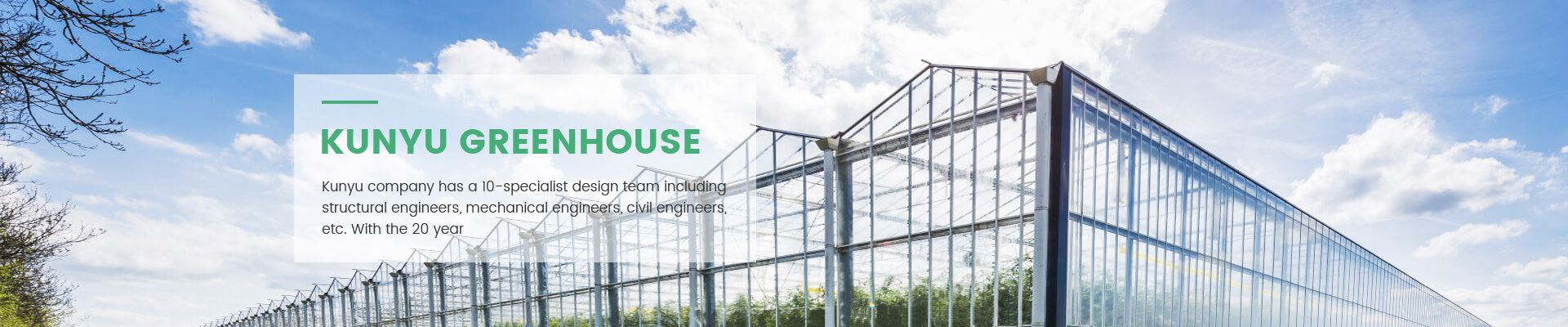
Greenhouses are powerful tools in modern agriculture. They allow growers to regulate temperature, humidity, light, and airflow—key factors for maximizing plant growth and productivity. However, many greenhouse problems are not caused by poor design or climate control systems, but by incorrect items placed inside the greenhouse.
For commercial farms, agri-businesses, and professional growers, mistakes inside a greenhouse can mean higher operating costs, reduced yields, and increased disease risk. Understanding what does not belong in a greenhouse is just as important as knowing what does.
One of the biggest mistakes growers make is introducing invasive or overly aggressive plants into a greenhouse environment.
Greenhouses provide optimal growing conditions—warm temperatures, consistent moisture, and protection from external stress. Invasive plants thrive in such environments and can:
Outcompete crops for nutrients and light
Spread rapidly through seeds or root systems
Become extremely difficult to remove once established
Certain bamboo varieties
Mint planted directly in soil beds
Aggressive vines without containment
Best Practice:
Only introduce plants with controlled growth habits, or use containers and root barriers to prevent unwanted spreading.
Not all plants benefit from greenhouse protection. Some crops actually require natural environmental stress—such as wind, cold exposure, or temperature fluctuations—to develop properly.
Large field grains (wheat, barley, corn)
Certain root crops grown at scale
Perennial plants that need winter dormancy
These plants may:
Grow weak or leggy
Fail to flower or produce fruit
Develop abnormal growth patterns
Best Practice:
Reserve greenhouse space for high-value crops such as vegetables, fruits, flowers, and seedlings that benefit from controlled environments.
Introducing even one infected plant into a greenhouse can quickly lead to a full-scale outbreak.
Greenhouses create enclosed ecosystems. Pests and diseases can spread rapidly due to:
High humidity
Limited airflow
Close plant spacing
Aphids, whiteflies, spider mites
Fungal diseases like powdery mildew
Soil-borne pathogens
Best Practice:
Never bring plants into a greenhouse without:
Visual inspection
Quarantine for new plants
Proper sanitation protocols
For commercial greenhouse operations, strict biosecurity measures are essential.
Many growers underestimate the impact of construction and structural materials placed inside a greenhouse.
Untreated or poorly treated wood can:
Absorb moisture and rot quickly
Harbor mold, fungi, and pests
Reduce structural lifespan
This is especially problematic in humid greenhouse environments.
Better Alternatives
Hot-dip galvanized steel frames
Aluminum structures
Treated steel benches and supports
Industry Insight:
Professional agricultural greenhouses typically use corrosion-resistant steel structures to ensure long-term durability and lower maintenance costs.
Some small-scale growers place household items inside greenhouses for convenience—but this is risky.
Wooden chairs or tables
Fabric storage bins
Household shelving units
Non-waterproof electronics
Greenhouses experience:
High humidity
Temperature swings
Frequent water exposure
Household items degrade quickly and may introduce contaminants or safety hazards.
Best Practice:
Use greenhouse-grade equipment designed for wet, humid agricultural environments.
More is not always better—especially in a greenhouse.
Chemical buildup in soil or substrates
Nutrient burn on crops
Increased disease susceptibility
Environmental contamination
In a controlled environment, fertilizers and chemicals are more concentrated than in open fields.
Best Practice:
Use precise nutrient management plans
Apply fertilizers based on crop needs
Consider fertigation systems for accuracy
Soil quality plays a critical role in greenhouse success.
Heavy clay soils
Outdoor soil with unknown pathogens
Reused soil without sterilization
Root rot
Fungal growth
Poor oxygen availability
Reduced plant vigor
Best Practice:
Use professional growing media such as:
Coco coir
Peat-based substrates
Sterilized soil mixes designed for greenhouse crops
While it may seem obvious, animals do not belong in a greenhouse.
Rodents damaging crops and irrigation lines
Birds spreading disease
Insects entering through poor sealing
Even small animals can cause significant losses in commercial greenhouse operations.
Best Practice:
Install insect screens
Seal openings properly
Maintain perimeter control around the greenhouse
A greenhouse is a production space—not a storage room.
Old tools
Broken equipment
Unused containers
Packaging materials
Reduces airflow
Increases pest hiding areas
Makes sanitation difficult
Lowers operational efficiency
Best Practice:
Maintain a clean, organized greenhouse layout to support efficient workflows and healthier crops.
Finally, one of the most critical mistakes is using a greenhouse structure that is not designed for agricultural use.
Thin steel or untreated frames
Poor wind and snow resistance
Low-quality covering materials
Inadequate ventilation systems
Higher maintenance costs
Structural failure risks
Poor climate control
Reduced crop yields
Best Practice:
Invest in professionally engineered agricultural greenhouses built with high-quality, corrosion-resistant materials and designed for local climate conditions.
Knowing what you should not put in a greenhouse is essential for protecting your crops, maximizing productivity, and improving long-term returns. From unsuitable plants and contaminated soil to low-quality materials and clutter, small mistakes can have big consequences—especially in commercial greenhouse operations.
For agricultural producers and greenhouse investors, the goal is clear:
Create a clean, controlled, efficient environment that supports plant health and operational success.
By avoiding these common mistakes and choosing professional greenhouse structures and equipment, growers can fully unlock the potential of modern greenhouse agriculture.

Copyright ©Kunyu Greenhouse Co., Ltd. All Rights Reserved | Sitemap