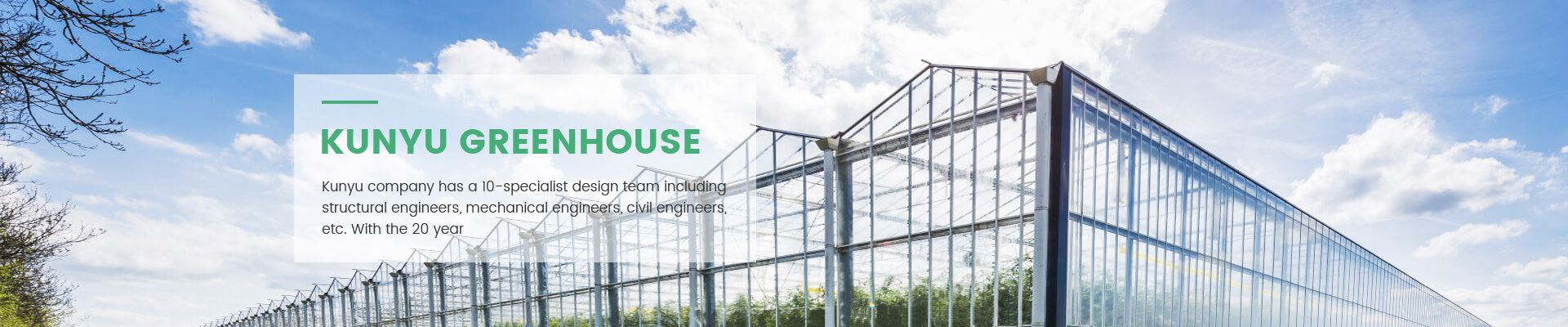
The frame is the backbone of a multi-span greenhouse, determining the overall structural stability, wind and snow resistance, service life, and total construction cost of the entire planting facility. Unlike ordinary covering materials, greenhouse frame materials affect long-term operational safety and maintenance costs, making material selection a key step in commercial greenhouse construction. Hot-dip galvanized steel and aluminum are the two most widely used frame materials for modern multi-span greenhouses, each with unique advantages and limitations in structural performance, budget adaptability, and environmental applicability. Many agricultural investors struggle with material selection, leading to insufficient structural load-bearing, excessive investment waste, or frequent later maintenance. This guide comprehensively compares hot-dip galvanized steel and aluminum greenhouse frames, providing professional and practical selection guidance for global commercial planting projects.
Structural strength and weather resistance are the core indicators for greenhouse frame selection, especially for outdoor multi-span greenhouses that need to cope with complex natural environments. Hot-dip galvanized steel frames feature high hardness and strong load-bearing capacity, with excellent resistance to strong winds, heavy snow, and hail impacts. It can support large-span greenhouse structures, as well as hanging facilities such as shading systems, ventilation equipment, and water and fertilizer integration pipelines, fully meeting the load demands of large-scale commercial greenhouses. Even in high-altitude, cold northern regions and coastal windy areas, galvanized steel frames can maintain stable structural performance without deformation or collapse. In contrast, aluminum frames are lightweight and low in density, but their structural strength is weaker than steel. They are prone to bending and deformation under heavy snow or strong wind pressure, making them unsuitable for ultra-large-span greenhouses and extreme weather regions.
Service life and corrosion resistance directly determine the long-term economic benefits of greenhouses. Hot-dip galvanized steel forms a dense zinc protective layer on the surface, which effectively isolates air and moisture to prevent rust and corrosion. High-quality hot-dip galvanized steel frames have a service life of 15–20 years, and can even reach 25 years with regular maintenance, adapting to high-humidity and high-salt agricultural planting environments. However, the zinc coating may wear off after long-term use, and local welding points need regular anti-rust maintenance to avoid rust expansion. Aluminum frames have natural oxidation and corrosion resistance, with no rust risk in humid environments, and their surface will not fade or peel. Their service life is about 12–15 years, with almost no daily maintenance required, but their anti-aging performance in extreme high-temperature and low-temperature alternating environments is slightly inferior to galvanized steel.
In terms of construction cost and project adaptability, the two materials form a clear budget gradient. Hot-dip galvanized steel has low raw material cost and mature processing technology, with moderate overall construction investment. It is suitable for most medium and large-scale commercial multi-span greenhouses, vegetable planting bases, seedling breeding parks, and smart agricultural projects. Its high cost performance makes it the mainstream choice for bulk agricultural greenhouse construction worldwide. Aluminum frames have higher raw material and processing costs, with the overall frame investment 20%–30% higher than galvanized steel. Thanks to their lightweight features, aluminum frames reduce foundation load requirements and are easy to transport and install, with a neat and beautiful appearance. They are more suitable for high-end sightseeing greenhouses, flower exhibition greenhouses, and small and medium-sized precision planting projects with high appearance and environmental requirements.
In terms of daily maintenance and later operation, aluminum frames have obvious advantages of low maintenance. They do not need regular anti-rust painting and coating repair, saving long-term labor and maintenance costs. Hot-dip galvanized steel frames require simple annual inspection, focusing on repairing worn zinc layers and rusted welding points to extend service life. For growers pursuing long-term stability and low comprehensive cost, galvanized steel is more cost-effective; for projects focusing on aesthetics, convenient installation and zero daily maintenance, aluminum frames are more appropriate.
To sum up, the core of greenhouse frame material selection is to match project positioning, local climate and investment budget. Choose hot-dip galvanized steel frames for large-scale commercial planting, extreme weather areas, and budget-controlled long-term agricultural projects. Choose aluminum frames for high-end scenic greenhouses, precision flower planting, and projects with high appearance and low maintenance requirements. We provide customized multi-span greenhouse design, frame production and integrated installation services, matching the most suitable frame materials and structural solutions according to local climate conditions, planting types and project scale, helping customers build stable, durable and cost-effective modern greenhouses.