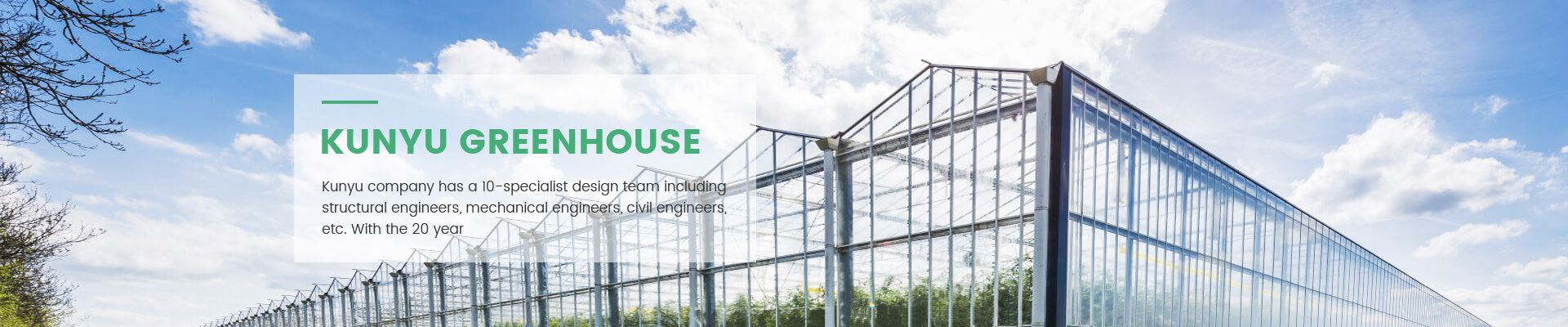
Greenhouse covering material is the core factor that determines planting environment, construction investment, service life, and daily operation cost. With the continuous upgrading of global modern and smart agriculture, PO film, PC board, and glass have become the three most popular covering materials for commercial greenhouses. Most growers and agricultural investors face confusion in material selection, leading to excessive investment, frequent material replacement, or unsatisfactory planting environments. This detailed comparison analyzes the three greenhouse materials in terms of construction cost, service life, core performance, pros and cons, and applicable scenarios, delivering reliable reference for global agricultural project selection.
In terms of construction cost, the three materials form a clear price gradient to adapt to different investment budgets. PO film greenhouses are the most cost-effective option, with a construction cost of $1.2–$2.8 per square foot. Featuring a lightweight structure and low requirements for frames and foundations, they require low initial investment and are ideal for small and medium-sized short-term planting projects. PC board greenhouses come with a moderate cost of $4.5–$6 per square foot. The lightweight PC panels greatly reduce the load-bearing pressure of the overall structure, cutting 30%–50% of frame and foundation costs compared with glass greenhouses, with excellent comprehensive cost performance. As a high-end option, glass greenhouses cost $7.5–$12 per square foot, adopting high-standard tempered glass and hot-dip galvanized steel frames with complex construction processes, resulting in the highest initial investment.
Service life directly affects the long-term operating cost of greenhouses, with obvious durability differences among the three materials. High-quality standard PO film has a service life of 3–5 years, and its core functions of anti-fog and high light transmission can only remain stable for about 3 years. It is prone to aging, embrittlement, light attenuation and water leakage in the later stage, requiring regular replacement and increasing long-term maintenance costs. Double-layer UV-protected PC boards have a service life of 10–15 years, with outstanding aging resistance and weather resistance, avoiding frequent replacement. Tempered glass greenhouses have the best durability; with daily regular maintenance, their service life can reach 20–30 years. The glass itself will not age or yellow, and only simple inspection and maintenance of auxiliary accessories are needed.
Each material has unique performance advantages and limitations in actual planting applications. PO film provides soft and uniform light transmission, effectively preventing strong light from burning crops, with good anti-fog effect and low replacement cost. It is suitable for seasonal vegetable planting and short-term seedling cultivation. Its main weaknesses are poor wind and snow resistance and ordinary thermal insulation, requiring additional thermal insulation equipment in cold areas. PC board greenhouses have balanced comprehensive performance. The hollow structure provides 2–3 times better thermal insulation than single-layer glass, with strong hail and wind resistance. With a light transmission rate of over 80%, it fully meets the planting needs of high-value crops such as flowers and Chinese medicinal herbs, only with slight yellowing after long-term sun exposure.

Copyright ©Kunyu Greenhouse Co., Ltd. All Rights Reserved | Sitemap