Against the backdrop of a growing global population, strained arable land resources, and increasingly severe climate challenges, commercial hydroponic greenhouses are emerging as a bright star in modern agriculture, renowned for their unique advantages of high yield, efficiency, water conservation, and environmental friendliness. They are not only a key technology for addressing future food security but also a promising blue ocean for business.
However, the journey from blueprint to harvest, from dream to profitability, in building a successful commercial hydroponic greenhouse is far from easy. It is a complex systematic project where oversight in any single link can lead to financial loss or even project failure. As experts with years of deep experience in the agricultural greenhouse sector, we have outlined the 10 Key Steps and a Pitfall Avoidance Guide for Building a Commercial Hydroponic Greenhouse to help you embark on your journey precisely and advance steadily.
Key Step: Before spending your first dollar, invest 100% of your effort in thinking. Define your target market: supplying high-end supermarkets? Serving local restaurants? Or direct-to-consumer (CSA)? Research crop selection: high-value lettuce, herbs, or tomatoes, cucumbers? Analyze competitors, calculate costs, and develop a detailed business plan including financial projections, Return on Investment (ROI), and risk assessment.
Pitfall Avoidance: Avoid "Snap" Decisions. The most common pitfall is thinking, "I assumed I could sell whatever I grow." Without clear sales channels and a sober understanding of market prices, your greenhouse risks becoming merely an "advanced plant lab." Always secure your market first, then decide what to grow.
Key Step: Location is the cornerstone of success. An ideal site should have: ample and sustainable sunlight, a stable water source with good quality, reliable power supply, convenient transportation access, and a suitable climate (or the capability for economically feasible environmental control).
Pitfall Avoidance: Neglecting Microclimate and Infrastructure. Microclimates can vary significantly within the same region, such as between hillsides and valleys. Conduct annual climate data surveys, especially regarding the frequency of extreme weather events. Also, check the cost and reliability of water, electricity, and internet access to avoid substantial unexpected expenses later.
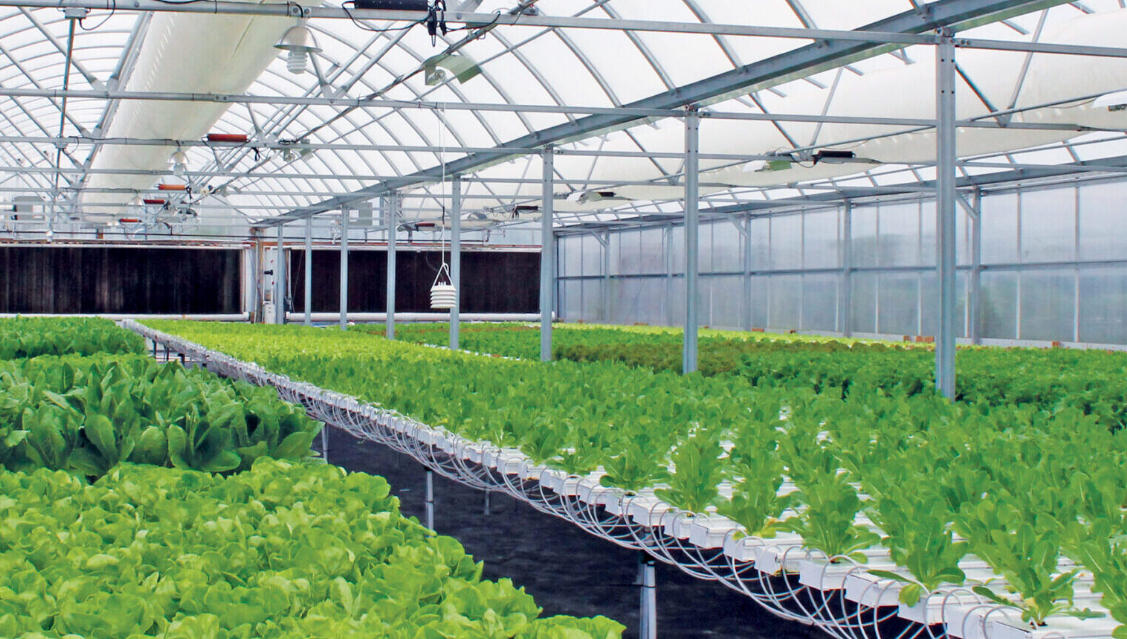
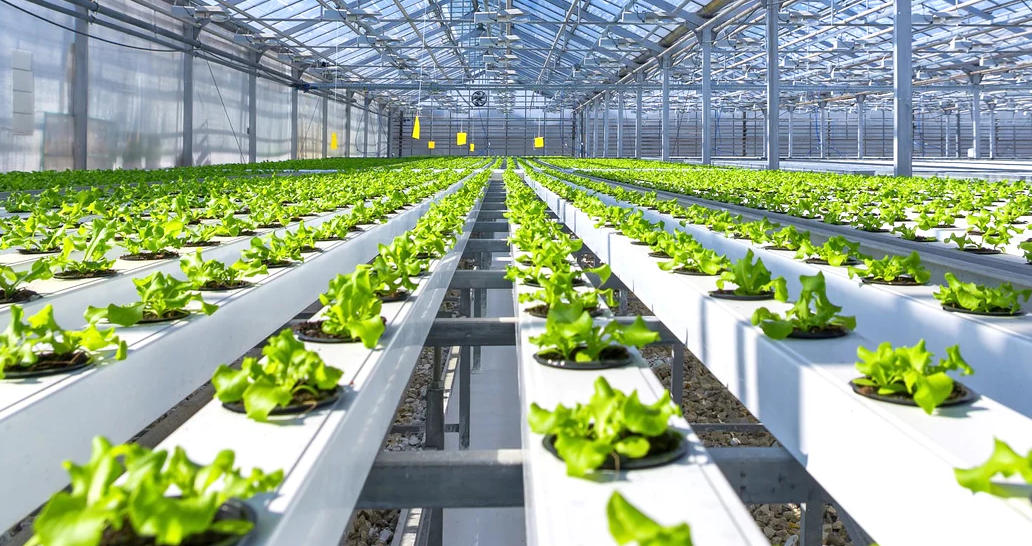
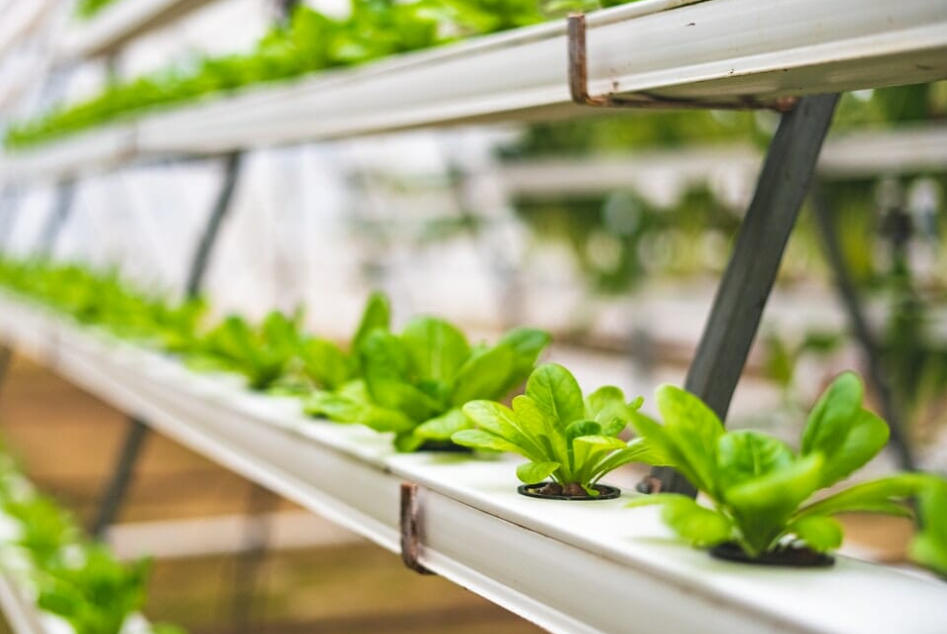
Key Step: Choose the most appropriate hydroponic system based on your crops and market positioning. Deep Water Culture (DWC) is suitable for fast-growing leafy greens, Nutrient Film Technique (NFT) for smaller leafy greens, while drip irrigation systems are better for fruiting crops like tomatoes and cucumbers. Also, consider integrating smart agriculture technologies like Internet of Things (IoT) sensors and automated control systems.
Pitfall Avoidance: Blindly Chasing "High-Tech" or Opting Only for "Cheap." The most expensive option isn't necessarily the best fit, and the cheapest often incurs surprisingly high maintenance costs later. Choose a technologically mature, stable, reliable system that matches your team's technical capabilities. Remember, the system's scalability and ease of maintenance are equally important.
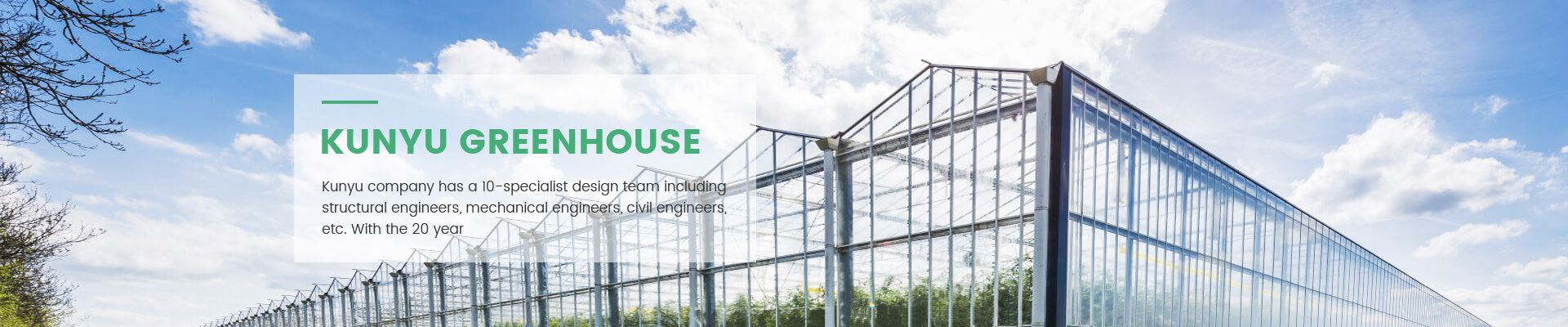
Key Step: The greenhouse is the "home" for your crops. Choose between Venlo glass greenhouses, arched polycarbonate (PC) sheet greenhouses, or film plastic greenhouses based on your budget and climate conditions. Assess the structure's wind and snow load resistance and select cladding materials with excellent light transmittance, insulation, and durability.
Pitfall Avoidance: Cutting Corners on Structure. A strong wind or heavy snow can destroy a seemingly sturdy greenhouse. Always choose qualified suppliers and designs that meet national standards. Also, don't overlook the ventilation system (roof vents, side vents, fan and pad systems) design—it's the "lungs" of the greenhouse environment, directly impacting crop health.
Key Step: Environmental control is the brain and nerve center of a hydroponic greenhouse. Integrate monitoring and control equipment for temperature, humidity, light, and CO₂ concentration. This necessitates heating systems (boilers, air heaters), cooling systems (fan and pad, shade nets), lighting systems (LEDs, HPS lamps), and CO₂ supplementation systems.
Pitfall Avoidance: Siloed Control Systems. A common mistake is having temperature, humidity, and light managed by separate controllers, causing systems to work against each other.务必 Use an integrated central control system that allows all equipment to work in coordination, creating the most stable and optimal growing environment for your crops.
Key Step: The nutrient solution is the "blood" of hydroponics. Design a standardized nutrient solution recipe and establish procedures for monitoring and adjusting Electrical Conductivity (EC) and pH. Invest in reliable water treatment (e.g., Reverse Osmosis - RO system) and fertilizer dosing equipment.
Pitfall Avoidance: Fertilizing by Feel, Ignoring Water Quality. Harmful substances in the water source (e.g., sodium, chlorine) or high hardness can disrupt the nutrient solution balance. Conduct water quality testing and use an RO system if necessary. Furthermore, EC and pH must be monitored and recorded daily; minor fluctuations can affect nutrient uptake, leading to reduced yield or physiological disorders.
Key Step: Establish or find a reliable source for seedlings. Develop Standard Operating Procedures (SOPs) for sowing, germination, transplanting, and final planting. Healthy seedlings are the first crucial step towards a abundant harvest.
Pitfall Avoidance: Neglecting Seedling Health and Initial Environment. Purchased seedlings might carry pests or diseases, while improper temperature and humidity control in the germination chamber can lead to uneven emergence and weak seedlings. Consider setting up a clean sowing/germination room or establishing long-term cooperation with reputable professional seedling companies.
Key Step: You need not just farmers, but "Plant Production Engineers." Build a team including a greenhouse manager, technicians, and daily operators. Ensure core members understand hydroponic principles and can handle common issues.
Pitfall Avoidance: Prioritizing Hardware Over Talent. The most advanced equipment requires skilled operators. The biggest pitfall is investing millions in construction while being reluctant to spend on staff training, resulting in an inability to use equipment, diagnose problems, or interpret data. Always allocate sufficient budget for personnel training.
Key Step: Implement the principle of "Prevention first, integrated control." Establish strict sanitation protocols for personnel and material entry/exit (e.g., foot baths, air showers). Prioritize physical control (insect nets, sticky traps) and biological control (introducing beneficial insects), using chemical pesticides only as a last resort.
Pitfall Avoidance: Acting Only After an Outbreak. Pest and disease outbreaks can spread rapidly in a hydroponic environment. Implement routine scouting and monitoring systems to nip problems in the bud. Moreover, pesticide overuse can disrupt the balance of beneficial microorganisms in the hydroponic system, causing long-term issues.
Key Step: Plan the harvest area, pre-cooling facilities, and packaging line. Define harvest standards and establish partnerships with logistics companies to ensure your products reach customers in the best condition and fastest time possible.
Pitfall Avoidance: "Growing Well" but "Selling Poorly". The value of hydroponic vegetables lies in their cleanliness, freshness, and high quality. Without efficient post-harvest handling, leaves wilt quickly, drastically reducing market value. Investment in the post-harvest area is as crucial as in the production greenhouse.
Conclusion
Building a successful commercial hydroponic greenhouse is a marathon involving technology, management, and patience. These ten steps are interlinked, and any single "pitfall" can make your efforts yield half the results.
If you are planning a commercial hydroponic greenhouse project or considering upgrading an existing one, we sincerely invite you to contact us. We not only provide turnkey greenhouse engineering solutions from planning and design to construction but also aim to be your long-term partner in agricultural technology. Let us use our expertise and experience to clear obstacles from your path and jointly build a productive, efficient, and profitable farm of the future.
Contact us now to get your customized greenhouse planning proposal!

Copyright ©Kunyu Greenhouse Co., Ltd. All Rights Reserved | Sitemap