In modern agriculture, hydroponic greenhouse systems have become the preferred choice for many agricultural enterprises and growers due to their advantages of high efficiency, water saving, and high yield. However, investing in a hydroponic greenhouse system is only the first step; knowing how to maintain it in optimal condition over the long term and extend its service life is the real key to determining the return on investment. A well-maintained hydroponic greenhouse can not only consistently produce high-quality crops but also significantly reduce long-term operational costs. This article provides a detailed guide on how to keep your hydroponic greenhouse system running efficiently through scientific management and maintenance, creating lasting value for your agricultural business.
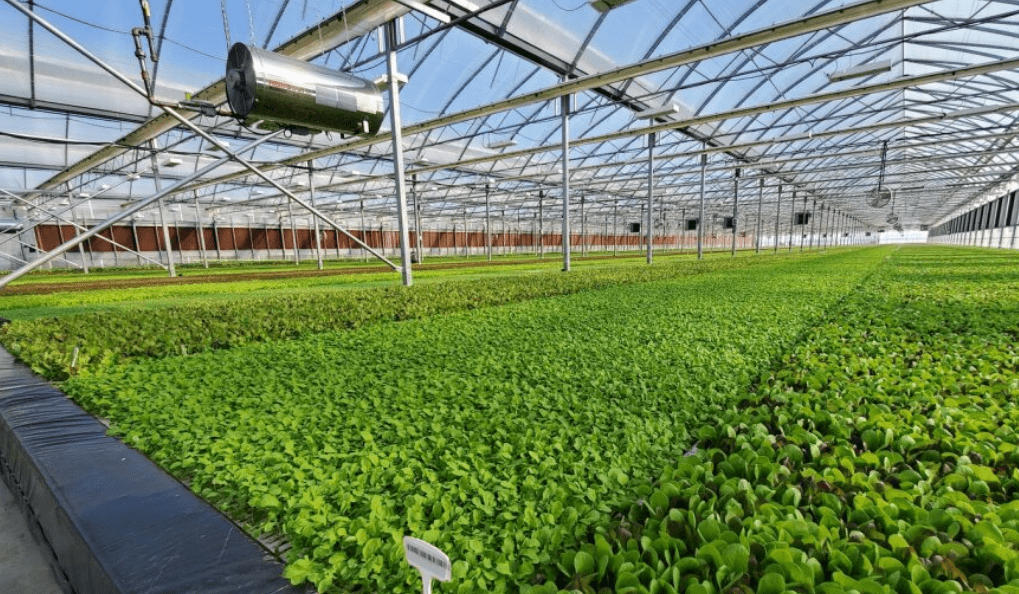
The core of a hydroponic system lies in water circulation and nutrient delivery. Blockages or contamination in any part of the system can lead to decreased efficiency or even crop failure.
1. Cleaning the Circulation System:
Regular Tank Cleaning: The nutrient solution tank is a breeding ground for microorganisms and algae. It is recommended to clean the tank thoroughly every 1-2 weeks using food-grade hydrogen peroxide or a dedicated cleaner, avoiding harsh chemicals that may leave residues.
Inspecting and Cleaning Pipes: Sediment and biofilm can accumulate inside nutrient delivery pipes, leading to clogs. Check pipe permeability monthly and clean them using dedicated pipe brushes or a mild acidic solution (like diluted vinegar).
Filter Maintenance: Filters at water inlets and before circulation pumps must be cleaned regularly (recommended weekly) to prevent debris from entering the system, which could affect pump lifespan and nutrient distribution.
2. Maintenance of Growing Channels and Racks:
Thoroughly clean and disinfect growing channels during each crop rotation interval to prevent the carryover of pathogens and pest eggs.
Inspect growing racks for rust or structural looseness, and address issues promptly to prevent safety hazards.
Pro Tip: Establish a clear cleaning and maintenance schedule, assigning tasks to specific personnel to ensure all cleaning work is completed on time and to standard.
The stability of the greenhouse environmental control system directly affects crop growth and the lifespan of system equipment.
1. Temperature and Humidity Control:
The ideal air temperature for a hydroponic greenhouse is typically maintained at 22-28°C during the day and 16-20°C at night, with humidity adjusted between 40%-70% based on the crop growth stage.
Regular Sensor Calibration: Calibrate temperature and humidity sensors at least once a year to ensure accurate data and prevent control system errors.
Ventilation Equipment Maintenance: Regularly clean dust and algae from fan blades and cooling pads, and check motor operation to ensure ventilation and cooling efficiency. Also, inspect heating equipment (such as air heaters, underfloor heating) during winter.
2. Lighting System Management:
For greenhouses using artificial lighting, regularly clean dust from lamp covers and tubes to maintain light intensity.
Record lamp usage hours and replace them before significant light decay occurs to ensure efficient crop photosynthesis.
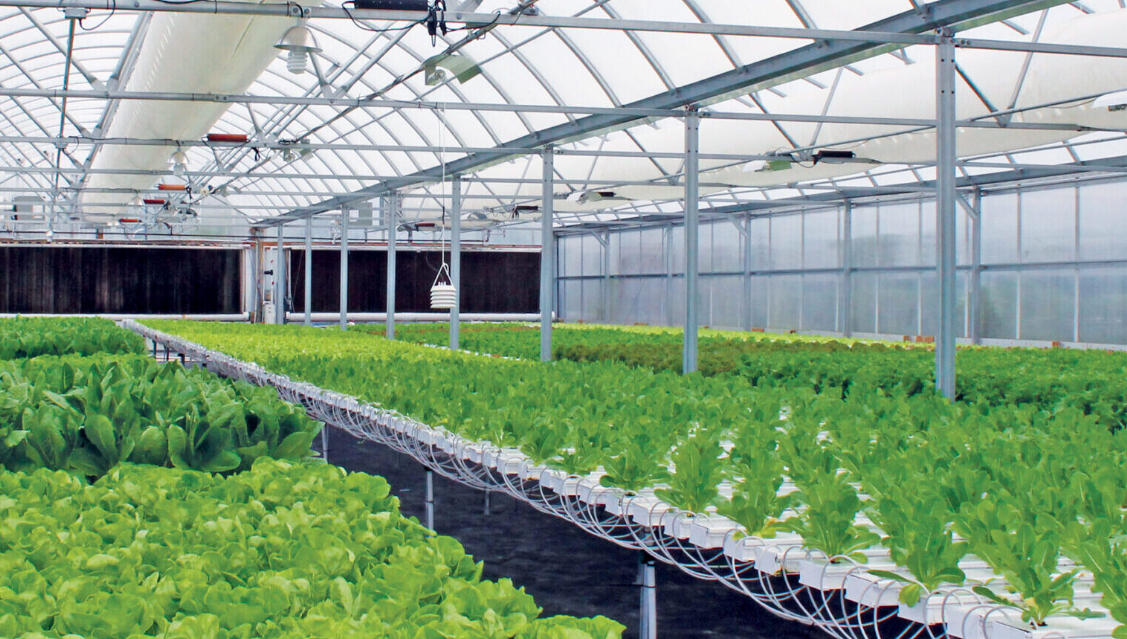
The nutrient solution is the "blood" of hydroponic crops, and its management is the core of system maintenance.
1. Water Quality as a Prerequisite:
Test water source quality before use, especially EC (Electrical Conductivity) and pH levels. Using Reverse Osmosis (RO) water is recommended to eliminate interference from unknown impurities in the water on nutrient formulation.
2. Precise Monitoring and Adjustment:
Daily Monitoring: Consistently monitor the EC and pH of the nutrient solution daily. EC reflects nutrient concentration, while pH affects nutrient uptake. The suitable pH range for most crops is 5.5-6.5.
Regular Replacement: Avoid simply topping up the nutrient solution. It is recommended to completely replace the nutrient solution in the system every 2-4 weeks to prevent nutrient imbalance and the accumulation of harmful substances.
Recording and Analysis: Keep a nutrient solution management log, recording each adjustment and the crop's response. Long-term data accumulation is invaluable for optimizing formulas and anticipating problems.
Performing preventive maintenance on core equipment can effectively avoid losses caused by sudden failures.
1. Water Pumps and Aeration Systems:
The water pump is the heart of the system. Monthly, check the pump for unusual noises and normal flow rate, and clean the pump intake filter.
Ensure air stones or oxygen supply equipment are working properly. Root hypoxia is a common cause of hydroponic failure. Regularly check or replace air stones.
2. Electrical Systems and Control Cabinets:
Periodically check all electrical connections for tightness to prevent poor contact.
Keep control cabinets clean and dry to prevent dust buildup and short circuits caused by moisture.
Equip the system with voltage stabilizers and Uninterruptible Power Supplies (UPS) to protect sensitive electronic equipment from voltage fluctuations and short power outages.
The service life of the greenhouse structure itself directly affects the overall system's investment cycle.
1. Routine Structural Inspections:
Monthly, inspect the integrity and sealing of the greenhouse cladding materials (glass, polycarbonate sheets, or film). Repair any damage promptly to prevent rain, dust, and pests from entering.
Check the steel structure for rust, especially at connections and parts in contact with the ground. Perform anti-corrosion treatment annually.
2. Establishing Emergency Plans:
Develop emergency plans for extreme weather events (such as storms, heavy snow, sustained high temperatures).
Prepare backup generators to ensure water circulation pumps and aeration systems can continue operating during power outages, preventing large-scale crop loss in a short time.
1. Leveraging Professional Expertise:
Establish long-term cooperation with reliable greenhouse equipment suppliers or agricultural technical service providers. They can offer:
Regular Professional Inspections: Comprehensive system diagnostics performed by engineers 1-2 times a year to identify potential issues.
Genuine Spare Parts Replacement: Use genuine spare parts for repairs and replacements to ensure equipment compatibility and performance.
System Upgrade Advice: Provide feasible suggestions for system optimization and automation upgrades based on technological advancements, further enhancing efficiency and reliability.
2. Training Operators:
Ensure your daily operators receive systematic training. They are not just executors but should be the "first line of defense" for the system. An operator who can understand the "language" of the equipment and spot abnormalities early is invaluable.
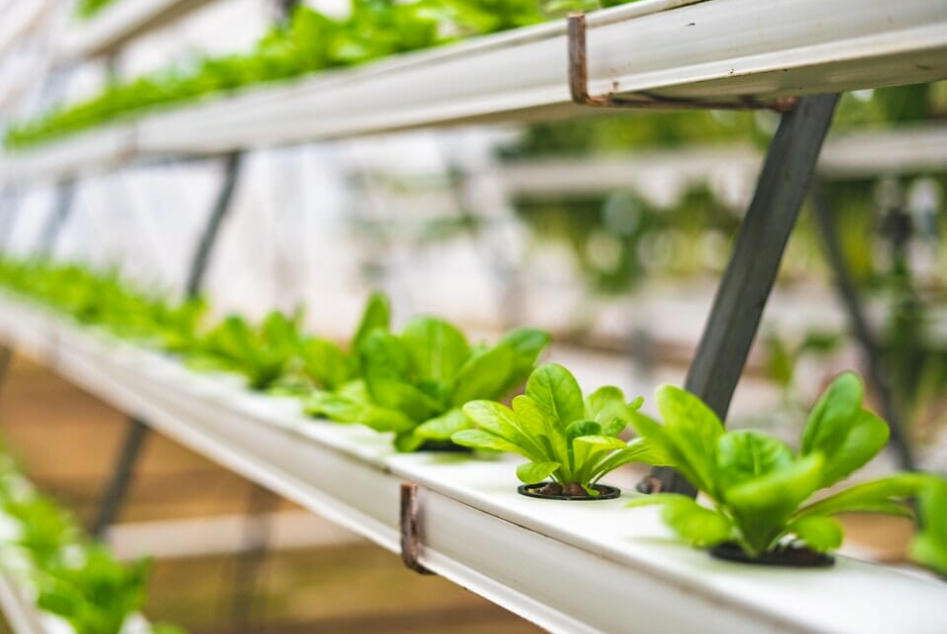
Viewing your hydroponic greenhouse system as a sophisticated life support system, rather than just a production tool, is fundamental to extending its service life. Exceptional performance and longevity stem from daily meticulous care, scientific and rigorous management procedures, and foresight to prevent problems before they occur. By implementing the comprehensive maintenance strategies outlined in this article, you will not only maximize the protection of your investment but also ensure that your hydroponic greenhouse remains a stable, efficient, and profitable core engine for your business for many years to come.

Copyright ©Kunyu Greenhouse Co., Ltd. All Rights Reserved | Sitemap