
So, you've decided to take your gardening to the next level and invest in a greenhouse. Congratulations! This is an exciting step toward year-round harvests and happier plants. But as you start your research, one of the first and most crucial questions you'll face is: What is the best shape for a greenhouse?
The truth is, there's no single "best" shape that wins in every situation. The perfect greenhouse for you depends on a balance of factors: your local climate, your budget, the space you have available, and what you plan to grow.
In this comprehensive guide, we’ll demystify the most popular greenhouse shapes, breaking down the advantages and disadvantages of each. By the end, you'll be equipped with the knowledge to choose the structure that's perfectly suited to your needs.
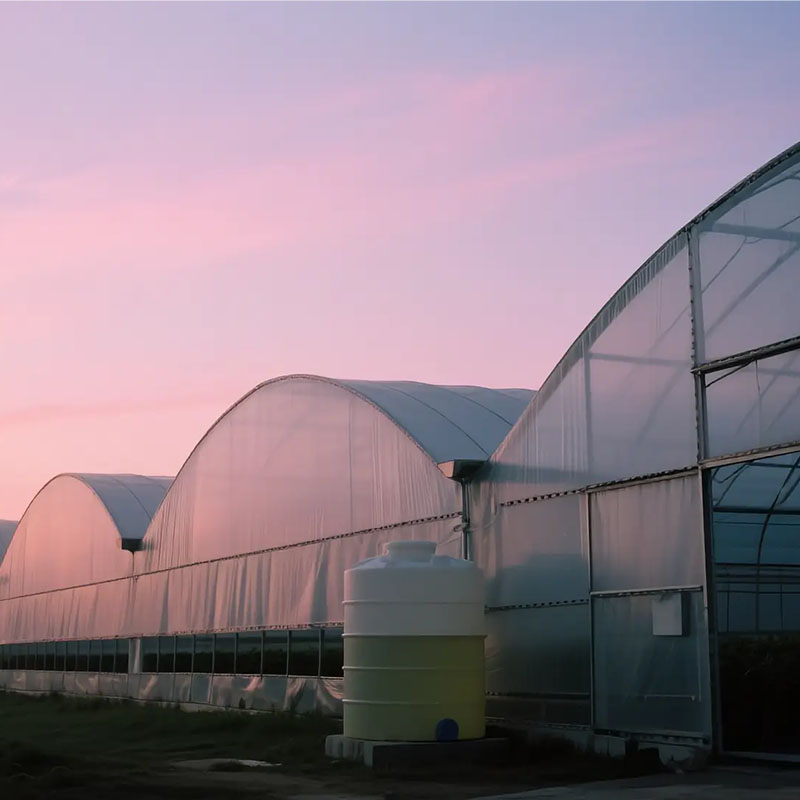
Before we dive into the shapes, let's quickly cover why this decision is so important. The shape of your greenhouse directly influences:
Light Exposure: How effectively sunlight penetrates throughout the day and year.
Structural Strength: Its ability to withstand snow, wind, and heavy rain.
Internal Airflow & Temperature Control: How heat and humidity are distributed.
Usable Space: The efficiency of your layout for benches, shelves, and plants.
Cost: Both for the initial kit or materials and for long-term maintenance.
Now, let's meet the contenders.
What it is: This is the traditional greenhouse shape most people picture: a rectangular base with vertical walls and two sloping roof panels that meet at a central ridge.
Pros:
Excellent Light Penetration: The steep roof angles and vertical walls allow maximum light exposure, especially in winter when the sun is low.
Superior Headroom: The vertical walls provide ample headroom along the sides, making it comfortable to work in and perfect for tall plants and benches.
Great Snow Shedding: The steep pitch helps snow slide off easily, preventing accumulation and potential collapse.
Easy to Customize: The simple design makes it straightforward to add features like vents, windows, and shelving.
Cons:
Higher Cost: Requires more materials (especially for the frame and glazing) than curved designs, making it generally more expensive.
Can Be Less Wind-Resistant: The large, flat side walls can catch strong winds if not properly anchored.
Best For: Gardeners in snowy climates, those growing tall plants (like tomatoes and cucumbers), and anyone who values a classic look and maximum light.
What it is: Similar to the hoop house but with a pointed, arched roof that resembles a Gothic arch. The frame curves all the way to the ground without a distinct wall.
Pros:
Exceptional Snow & Wind Shedding: The pointed, curved arch offers no flat surface for snow to cling to, and wind flows smoothly around it. This is arguably the best shape for heavy snow loads.
Strong Structure: The arch design distributes stress evenly throughout the frame, making it very sturdy.
Good Light Penetration: The curved surface captures light from various angles throughout the day.
Cons:
Reduced Usable Side Space: The walls curve inward, limiting the space where you can place vertical benches or grow tall plants along the edges.
Can Be More Complex to Build: The curved components can be trickier to construct than a simple A-frame.
Best For: Those in regions with harsh winters and heavy snowfall, and for gardeners prioritizing structural strength above all.
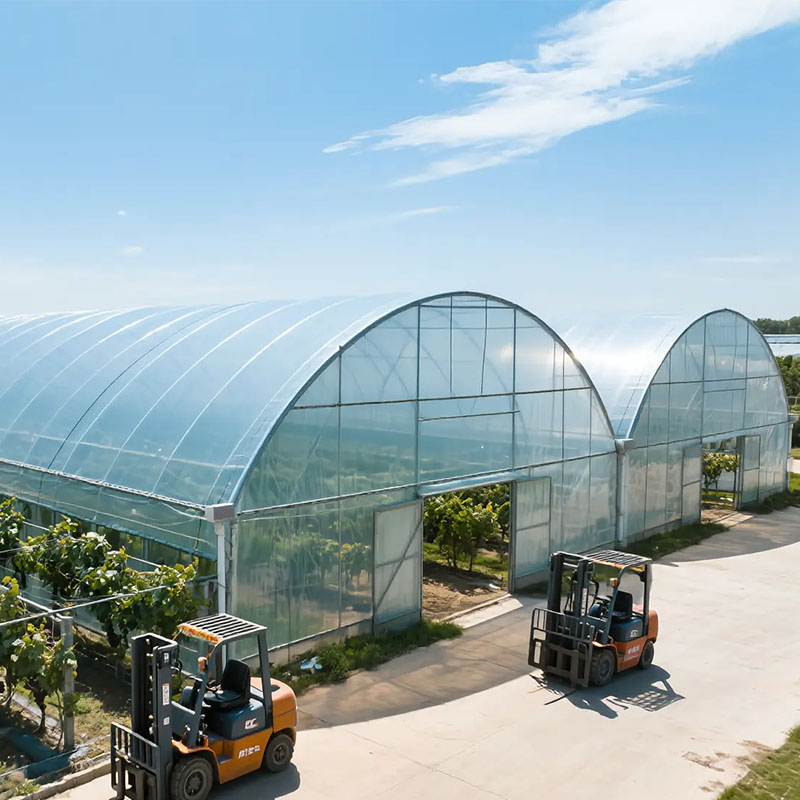
What it is: A semi-circular structure made from a series of large metal hoops covered with a single sheet of polyethylene plastic.
Pros:
Extremely Cost-Effective: Requires the least amount of materials, making it the most affordable option to build and cover.
Easy and Quick to Assemble: The simple hoop design is often sold as a kit that can be assembled in a weekend.
Good Wind Resistance: The rounded shape allows wind to blow over it easily.
Versatile Sizing: Available in a wide range of widths and lengths to fit any garden.
Cons:
Poor Snow Shedding: Snow can accumulate on the top of the arch, creating "snow pillows" that can collapse the structure if not cleared.
Less Internal Space: The curved walls significantly reduce usable space along the sides.
Less Aesthetically Pleasing: The industrial look may not appeal to everyone.
Weaker Door/Wall Areas: The end walls are often the weakest point structurally.
Best For: Beginner gardeners, those on a tight budget, large-scale season extension for vegetables, and temporary growing structures.
What it is: A spherical structure made from a network of triangles that form a very strong shell.
Pros:
Unmatched Strength & Stability: The triangular network distributes weight and stress perfectly, making it incredibly resilient against high winds and heavy snow.
Superior Energy Efficiency: The spherical shape has the lowest surface area to volume ratio, meaning there's less area to lose heat. This leads to more stable internal temperatures.
Excellent Light Capture: The multi-angled panels capture sunlight from sunrise to sunset.
Unique and Beautiful Aesthetic: It stands out as a modern, eye-catching garden feature.
Cons:
High Cost and Complexity: One of the most expensive and difficult shapes to build yourself. Kits are available but pricey.
Challenging to Utilize Space: The curved walls make it difficult to use standard rectangular benches, requiring custom solutions.
Potential for Leaks: The many seams between panels can be potential leak points if not sealed perfectly.
Best For: Gardeners in extreme weather zones, those passionate about sustainable and efficient design, and people looking for a unique architectural statement.
What it is: A greenhouse that is built against an existing wall of your house, garage, or shed, with a single sloping roof.
Pros:
Saves Space: Ideal for small yards, patios, or urban gardens where space is limited.
Energy Efficient: It can benefit from the thermal mass and residual heat of your home's wall, reducing heating costs in winter.
Convenient Access: Easy access to water, electricity, and your plants directly from your home.
Can Extend Living Space: Creates a beautiful, plant-filled area adjacent to your home.
Cons:
Limited Light: Light is only available from three sides and the roof, which can lead to uneven plant growth if not oriented correctly (a South-facing wall is ideal in the Northern Hemisphere).
Potential for Humidity: Attaching it to your house requires excellent ventilation to prevent moisture damage to your home's structure.
Size Limitations: The size is constrained by the existing wall.
Best For: Urban and small-space gardeners, anyone wanting to reduce heating costs, and those seeking the ultimate convenience.
So, which shape is the champion? Let's match shapes to scenarios:
For Cold, Snowy Climates: Gothic Arch is your top choice for strength, followed by the Gable.
For the Budget-Conscious Gardener: The Hoop House is the undeniable winner.
For Maximum Light & Headroom: The classic Gable design excels here.
For Small Spaces & Urban Gardens: The Lean-To is the perfect space-saving solution.
For Extreme Weather & Maximum Efficiency: The Geodesic Dome is a superior (if costly) investment.
For the Beginner: Start with a Hoop House to learn the ropes without a huge financial commitment.
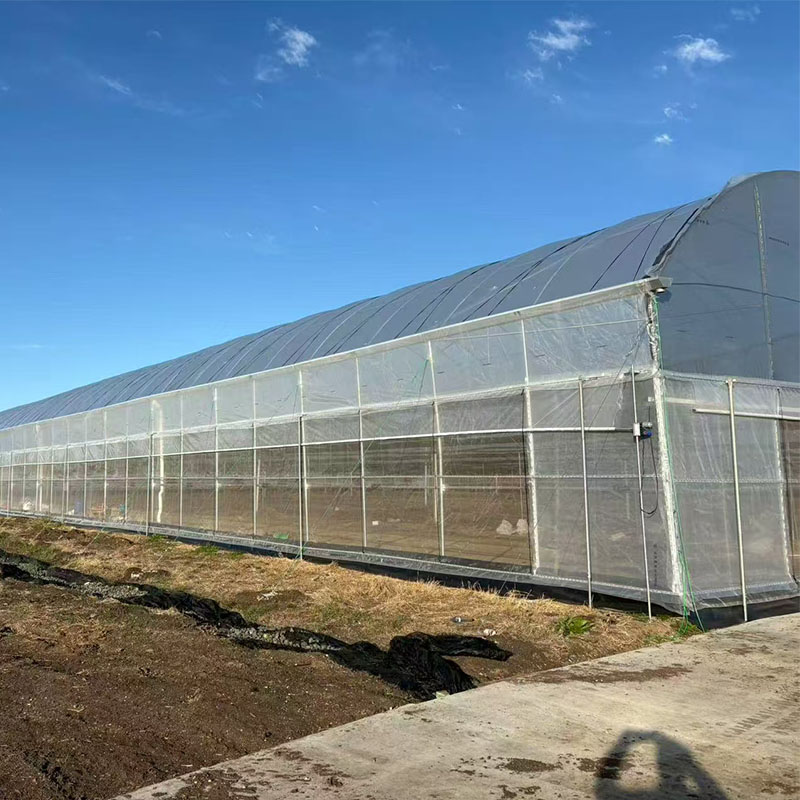
Choosing the best greenhouse shape is a personal decision that will define your gardening success for years to come. Consider your primary constraints—be it budget, climate, or space—and let that guide you toward the right structure. Remember, the best greenhouse isn't the one with the most features; it's the one that fits your life and helps your garden thrive.
Ready to start your greenhouse journey? Explore our collection of high-quality greenhouse kits and find the perfect shape for your backyard paradise!

Copyright ©Kunyu Greenhouse Co., Ltd. All Rights Reserved | Sitemap