
If you're a commercial grower or a serious gardening enthusiast, you're always looking for ways to optimize your greenhouse environment. You've likely seen images of large, modern greenhouses with a distinctive, angular roof that looks like the teeth of a saw. This isn't just an architectural trend—it's a highly engineered design with a profound purpose.
The purpose of a sawtooth greenhouse roof is to provide superior natural ventilation, enhanced light diffusion, and more precise climate control than a traditional symmetrical greenhouse. By harnessing natural forces, this design creates a healthier environment for plants, leading to stronger growth and potentially higher yields.
But how does it achieve this? Let's break down the science and the significant benefits behind this innovative greenhouse structure.
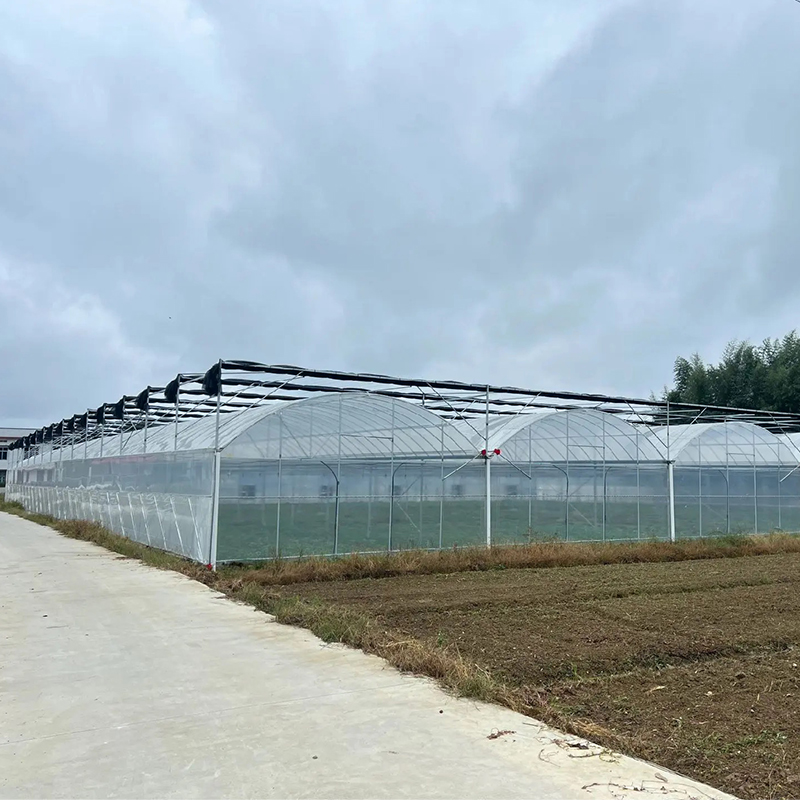
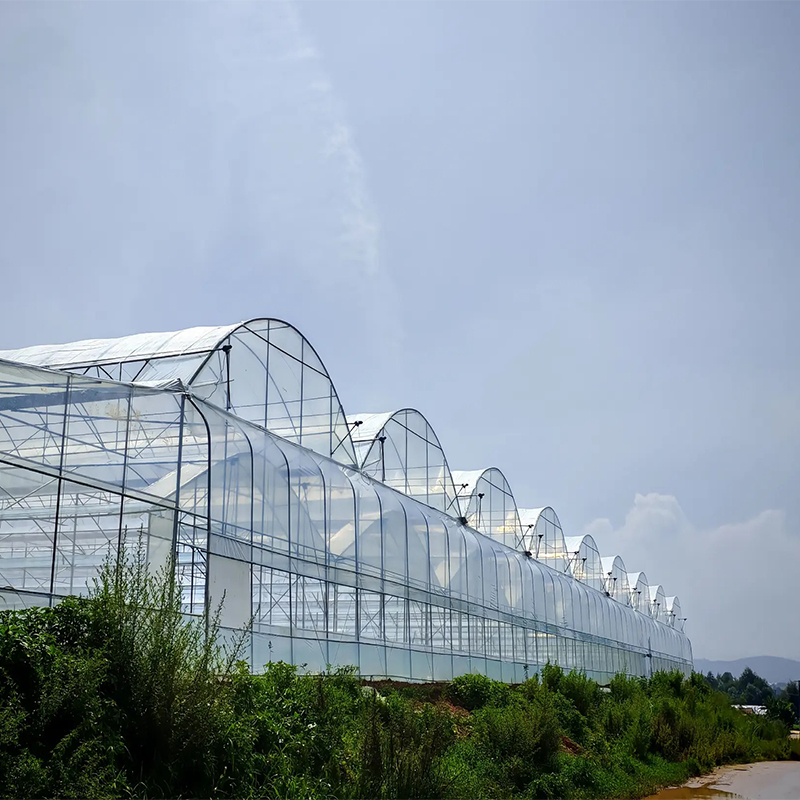
Before diving into the why, let's clarify the what. A sawtooth roof consists of a series of asymmetric ridges. One side of each "tooth" is a steep, often opaque or insulated slope, while the other side is a much shallower, glazed (glass or polycarbonate) plane.
The critical feature is the vertical vent (or louvre) located at the joint where the two planes meet. This vent is the heart of the entire system, acting as the primary exhaust for hot, stale air.
The single most important reason for choosing a sawtooth greenhouse roof is its unparalleled efficiency in natural ventilation. Here’s a step-by-step look at the process, often called the "stack effect" or "thermal buoyancy":
Solar Gain: The sun heats the interior of the greenhouse. Since warm air is less dense, it naturally rises.
Strategic Airflow: The rising hot air travels up the steep, sloped ceiling towards the highest point—the vertical vents in the sawtooth.
Passive Exhaust: This hot, moisture-laden air escapes continuously through these open vents.
Fresh Air Intake: As the hot air exits, it creates a negative pressure inside, which actively draws in cooler, fresher air through sidewall vents or manually opened doors.
This creates a constant, passive airflow cycle without the constant need for energy-intensive exhaust fans. This system is remarkably effective at preventing heat buildup, a common challenge in traditional greenhouses that can stress plants and encourage disease.
Beyond its primary ventilation purpose, the sawtooth design offers a cascade of advantages that contribute to a more productive growing operation.
By continuously expelling hot air, the sawtooth roof prevents the greenhouse from becoming an oven on sunny days. This stable temperature range is crucial for many high-value crops. Furthermore, by removing humid air, it helps suppress the development of fungal diseases like powdery mildew and botrytis, which thrive in stagnant, moist conditions.
The angled glazing of the sawtooth roof is often strategically positioned to capture light from a specific direction (often the north in the Northern Hemisphere to maximize indirect light). This design scatters sunlight more evenly throughout the greenhouse, reducing harsh shadows and hotspots. Plants receive uniform light exposure, leading to more consistent growth and preventing scorching on tender leaves.
The series of triangular sections in a sawtooth roof creates a inherently strong and rigid structure. This makes it highly resistant to heavy wind and snow loads. The steep, non-glazed slope is excellent for shedding snow and rain automatically, reducing the risk of structural damage and collapse in colder climates.
In a traditional greenhouse, condensation often forms on the roof and drips onto plants, which can spread disease and cause leaf damage. The steep pitch of the solid part of the sawtooth roof encourages condensation to run down the sides and into gutters, where it can be safely channeled away from the plant canopy.
By relying on physics rather than electricity for its primary ventilation, a sawtooth greenhouse can significantly reduce energy costs associated with running fans and cooling systems. This makes it a more sustainable and cost-effective choice, especially for large-scale commercial operations.
While highly effective, the sawtooth design is not a one-size-fits-all solution.
Ideal For:
Commercial Growers: Of vegetables, herbs, flowers, or cannabis where precise climate control is essential for quality and yield.
High-Heat or High-Humidity Climates: Where managing temperature and moisture is the primary challenge.
Large-Scale Structures: The benefits are most pronounced in wider and longer greenhouse buildings.
Considerations:
Higher Initial Cost: The design and construction are typically more complex and expensive than a standard hoop house or even-span greenhouse.
Orientation Matters: For maximum efficiency, the roof must be correctly oriented based on your geographic location to optimize sunlight and wind patterns.
Potential for Heat Loss: The large vent areas need well-sealing mechanisms in cold weather to prevent unwanted heat loss at night.
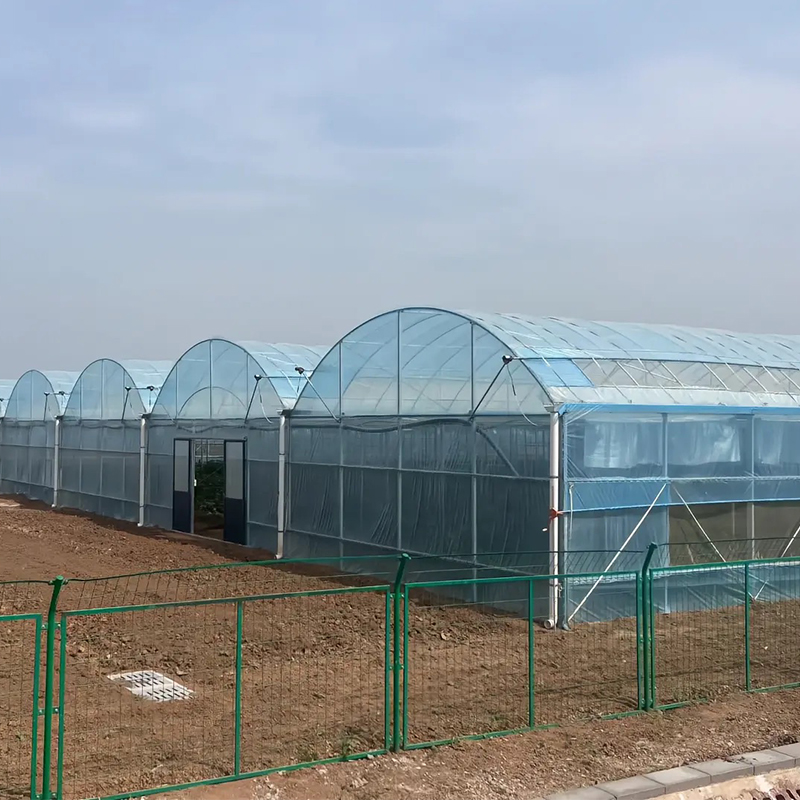
The purpose of a sawtooth greenhouse roof goes far beyond its striking appearance. It is a thoughtful, engineering-driven solution to the core challenges of greenhouse cultivation: heat, humidity, and light management. By leveraging the natural stack effect, it creates a self-regulating environment that promotes plant health, reduces disease pressure, and saves on energy costs.
For the serious grower looking to build a new, efficient, and scalable operation, the sawtooth greenhouse roof presents a compelling case. It’s an investment in a structure that works with nature to create the perfect conditions for your plants to thrive.
Ready to explore if a sawtooth greenhouse is the right choice for your operation? Contact Us to learn more about advanced greenhouse designs and how they can boost your productivity.

Copyright ©Kunyu Greenhouse Co., Ltd. All Rights Reserved | Sitemap