
Roses are one of the most popular and profitable flowers in the world. However, growing them outdoors can be challenging due to unpredictable weather, pests, and seasonal limitations. That’s why many commercial flower growers and exporters are turning to greenhouse cultivation.
In this article, we’ll explore how to grow roses in a greenhouse efficiently—step by step. Whether you're dealing with extreme heat, heavy rainfall, or just want to increase yield and quality, this guide is for you.
1. Why Grow Roses in a Greenhouse?
Growing roses in a greenhouse solves many common problems:
Unstable Weather: Greenhouses offer a controlled environment, protecting roses from wind, rain, frost, and intense sun.
Temperature Control: Roses thrive best at 15–27°C. Greenhouses allow you to manage this year-round.
Pest & Disease Management: Less exposure to outside insects means fewer infestations and diseases.
Extended Growing Seasons: Harvest roses all year, meeting demand during holidays like Valentine’s Day or Mother’s Day.
Higher Profitability: Better quality roses can be sold at higher prices, especially for export or high-end florists.
2. Choosing the Right Greenhouse for Roses
Your choice of structure matters. Key considerations include:
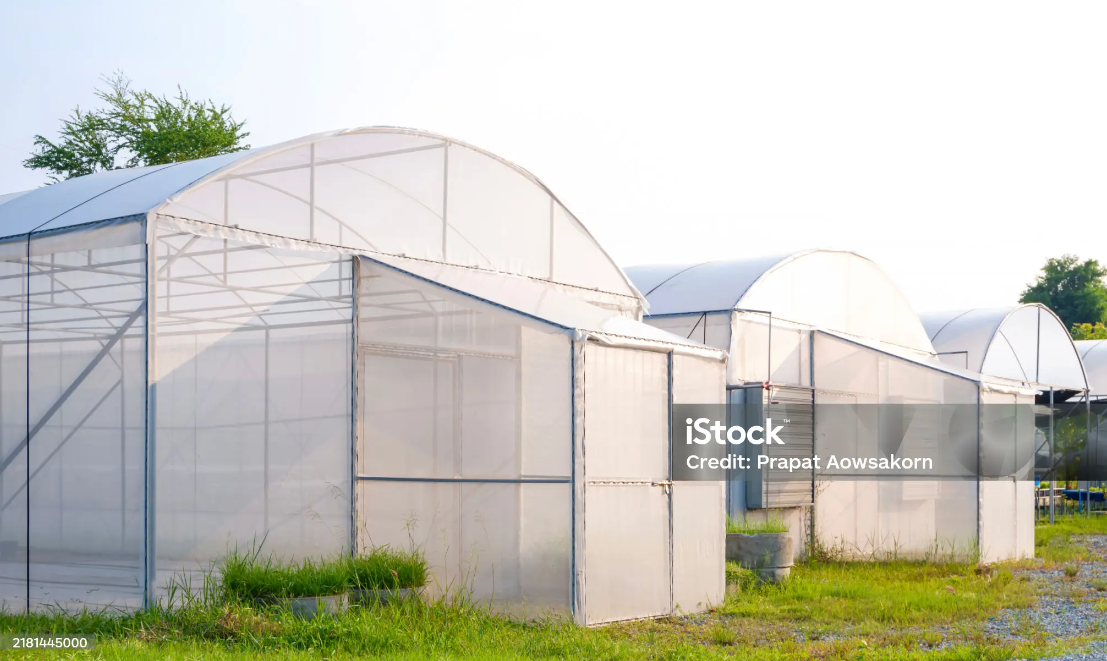
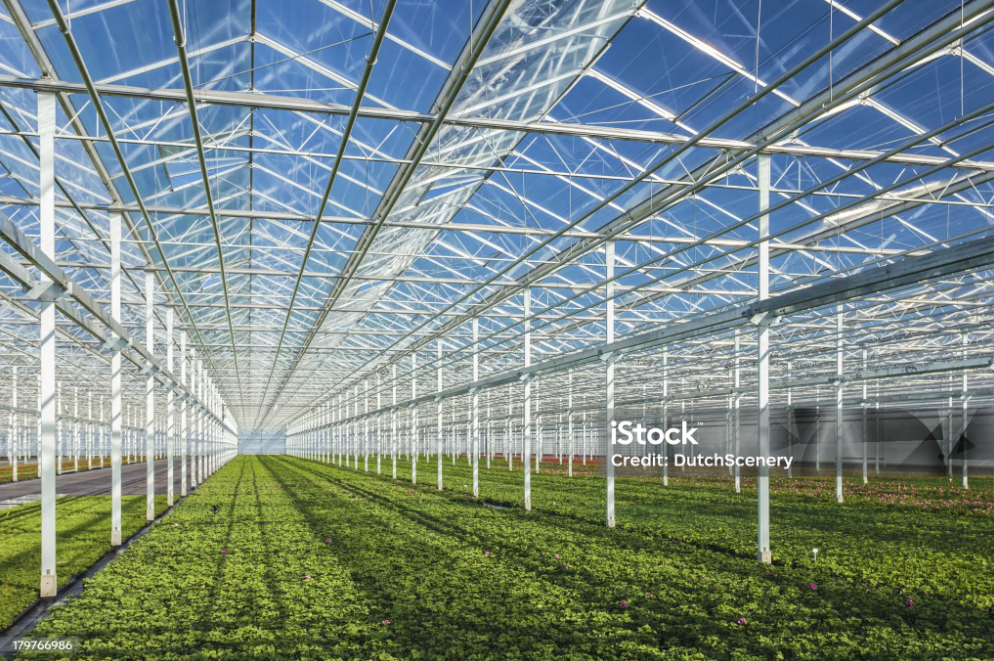
Structure Type: Multi-span or tunnel greenhouses are most suitable for roses due to space and height.
Material: Use hot-dip galvanized steel frames for long life and corrosion resistance.
Covering: Polycarbonate sheets or UV-treated PE film to allow sufficient light while insulating heat.
Ventilation: Include roof and side vents or fans for good air circulation to prevent fungus and mildew.
Tip: A greenhouse with automated climate control can improve consistency and reduce labor costs.
3. Preparing the Soil or Growing Medium
You can grow roses in soil or soilless media. Here’s how to prepare both:
Soil Cultivation:
pH: Keep soil between 6.0 and 6.5.
Use well-drained, fertile loam enriched with organic compost.
Add slow-release fertilizers rich in potassium and phosphorus.
Soilless Cultivation (Hydroponic or Cocopeat):
Ideal for disease control and high-density planting.
Nutrient solutions should be carefully monitored and adjusted.
For beginners, starting with soil is easier; but for commercial growers, soilless is more efficient.
4. Temperature and Humidity Management
Day Temperature: 22–27°C
Night Temperature: 15–18°C
Humidity: 60–70%
Ventilation: Ensure good airflow to prevent mold and powdery mildew.
Automated temperature sensors and fans can maintain the ideal range without constant monitoring.
5. Light Requirements
Roses need at least 6 hours of direct sunlight. In regions with shorter daylight during winter:
Install supplemental LED grow lights.
Maintain 14–16 hours of light for optimal blooming.
Avoid shading the greenhouse unless temperatures get too high in summer.
6. Watering and Irrigation
Roses need consistent moisture, but not overwatering.
Drip Irrigation is recommended for precision and efficiency.
Water early in the morning to avoid fungus.
Ensure drainage to prevent root rot.
Combine with an automated irrigation system for uniform water distribution.
7. Pruning and Maintenance
Prune regularly to promote air circulation and flower production.
Remove dead leaves and faded blooms.
Train roses on vertical trellises or support wires for better light exposure.
Proper pruning helps the plant focus energy on producing high-quality blooms.
8. Pest and Disease Control
Even in greenhouses, pests like aphids, spider mites, and thrips can appear.
Biological controls: Introduce ladybugs or parasitic wasps.
Neem oil or safe pesticides: Use sparingly and rotate active ingredients.
Regular inspection: Spot diseases like black spot or powdery mildew early.
Prevention is better than cure—maintain hygiene and avoid high humidity.
9. Harvesting and Post-Harvest Handling
Harvest Timing: Early morning, when blooms are half-open.
Cut Stem Length: 40–60 cm depending on the variety and market preference.
Storage: Keep in cool storage (2–5°C) with high humidity.
For export, use protective sleeves and cold-chain logistics to preserve freshness.
10. Profitability Tips
Grow high-demand varieties (e.g. Red Naomi, Avalanche, Freedom).
Sell to wedding planners, florists, or exporters.
Consider value-added products: bouquets, preserved roses, etc.
ROI increases significantly when using automation, high-density planting, and smart market positioning.
Final Thoughts
Greenhouse rose cultivation is a smart solution for growers facing climate challenges or aiming for high-quality production. With the right infrastructure and techniques, you can achieve year-round blooms, predictable harvests, and higher profits.
Whether you're in a tropical, arid, or temperate zone, greenhouse roses offer consistency and competitive advantage in the flower market.
Want to Build Your Own Rose Greenhouse?
We specialize in designing and building custom greenhouse solutions for rose growers.
✅ Hot-dip galvanized steel structure
✅ Automated climate & irrigation systems
✅ Free consultation and layout design
Contact us now for a free quote and design tailored to your local climate and budget.

Copyright ©Kunyu Greenhouse Co., Ltd. All Rights Reserved | Sitemap