
Introduction
In an era of unpredictable climate patterns and rising agricultural costs, every farmer and agri-investor seeks an answer to one critical question: How can we achieve more stable and productive returns with better-controlled investment? The risks of open-field farming, being at the mercy of the weather, are increasing, while expensive glass greenhouses can be prohibitive. Is there a "sweet spot" solution? The answer is yes—the Plastic Film Greenhouse. Far more than a simple plastic sheet, it is a powerful production system integrating modern material science and agricultural technology. This article delves into the significant advantages a plastic film greenhouse can bring to your agricultural operation.
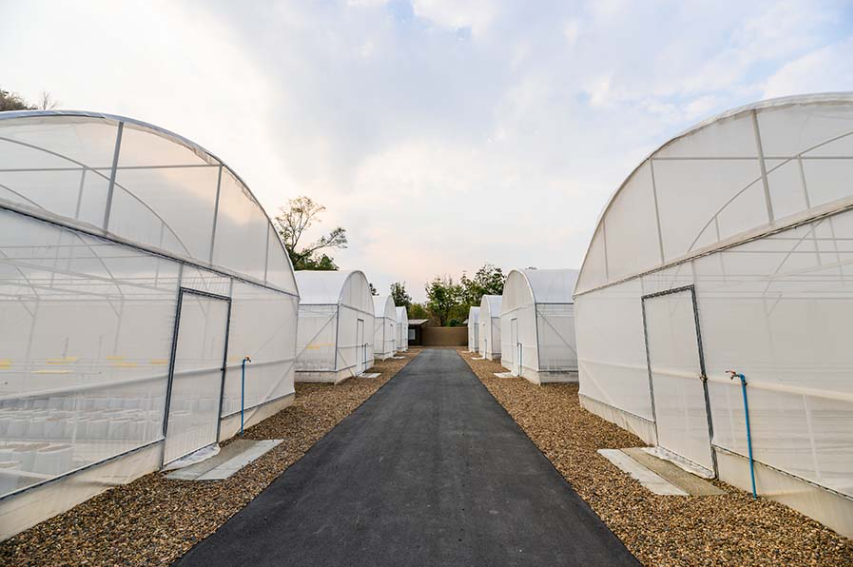
Before exploring its benefits, let's define it properly. A Plastic Film Greenhouse (or Polyethylene Film Greenhouse) is an agricultural structure built with a lightweight metal (like galvanized steel) or composite frame, covered by a single or double layer of plastic film as its cladding. Compared to traditional "vegetable sheds," it represents a quantum leap in structural design, environmental control capabilities, and lifespan. The high-performance anti-drip, UV-protected, long-life (3-5+ years) PO or PE films used in modern greenhouses are the core of their efficiency.
This is the most compelling primary advantage.
Low Construction Cost: The cost of film material is significantly lower than glass or polycarbonate (PC) sheets. The lighter structure also reduces the cost of foundations and framework. The initial investment can be as low as 1/3 to 1/2 of a comparable glass greenhouse.
Easy Maintenance & Replacement: A damaged section of film can be patched or replaced locally, unlike glass, which requires complex and costly repairs. This drastically reduces maintenance time and expenses.
For those new to protected agriculture or with limited budgets, the low entry barrier means you can launch your project faster and see a return on investment sooner.
Crops need sunlight, but direct, intense light can scorch leaves.
High Light Transmittance: High-quality agricultural film can achieve over 90% light transmittance, ensuring crops receive ample energy for photosynthesis.
Superior Light Diffusion: The film effectively scatters direct sunlight, distributing it evenly to every corner of the greenhouse. This ensures uniform light exposure for both upper and lower leaves, reduces shadows, and improves overall crop uniformity and quality, preventing "sunburn."
This is key to solving the user's "local climate problems."
"Greenhouse Effect" Insulation: The film traps solar energy during the day, raising the internal temperature. At night, it slows heat loss, protecting crops from frost damage caused by sudden temperature drops. This is crucial in regions with high diurnal temperature variations (e.g., Northwest and Northern China).
Rain and Hail Protection: It completely seals out rain, preventing waterlogging and soil compaction during wet seasons. It also offers effective protection against physical damage from hail.
Humidity Management: Integrated ventilation systems ( roof vents, sidewall roll-ups) allow for precise humidity control, reducing the incidence of diseases like downy and powdery mildew exacerbated by high humidity. Anti-drip film prevents condensation from dripping directly onto plants, further safeguarding crop health.
Plastic film greenhouses are flexible structures, not fixed buildings.
Diverse Specifications: Available from small, simple arched tunnels to large, multi-span structures, meeting needs from family gardens to large-scale commercial farms.
Easy Modification and Expansion: The modular design allows for relatively straightforward expansion of existing structures as your growing operation scales, offering great flexibility for future growth.
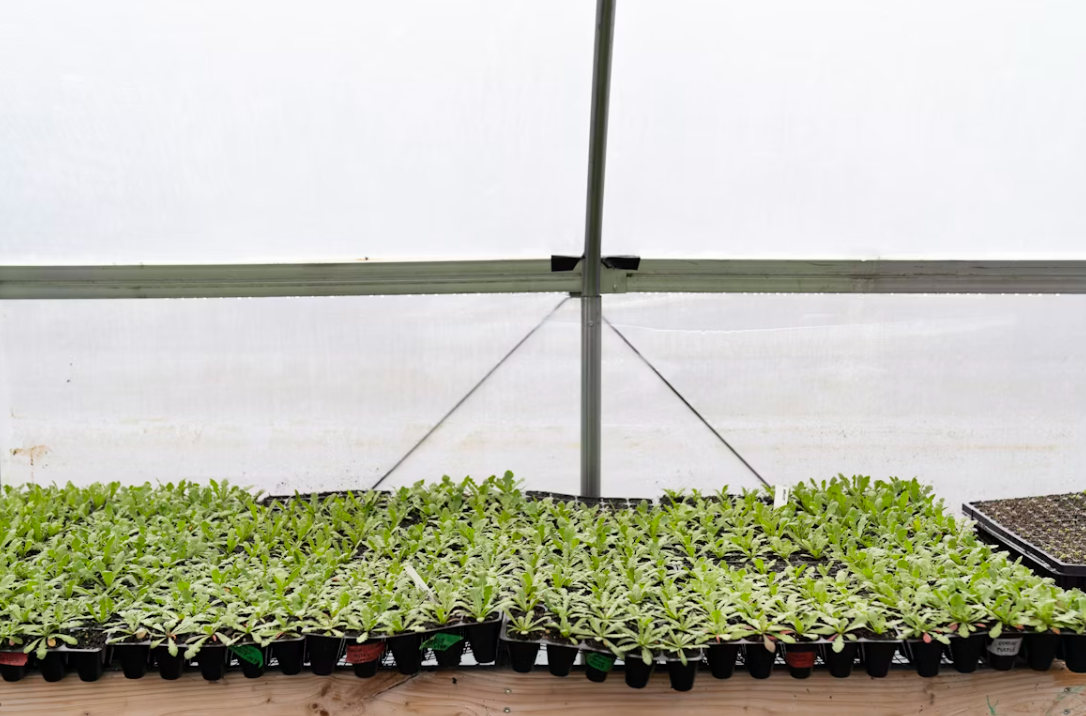
Its use extends beyond vegetable cultivation.
Nursery Seedling Production: Provides a stable, clean environment, significantly improving seedling survival rate and uniformity.
Flower Cultivation: Offers a perfect, protected space for floriculture, safe from wind and rain.
Agritourism & Eco-Restaurants: Large, multi-span film greenhouses are spacious and bright, ideal for creating agritourism destinations and diversifying income streams.
Aquaculture & Livestock: In some regions, they are used for aquaculture breeding or providing overwintering protection for special livestock.
All advantages ultimately lead to this result.
Extended Growing Seasons: Enable "spring early and autumn late" production, allowing you to hit the market early or off-season, commanding higher prices.
Increased Yield: The controlled environment reduces stress on plants, promoting faster, healthier growth. Yield per unit area is typically 2 to 5 times higher (or more) than open-field cultivation.
Improved Quality: Protection from wind, rain, and dust results in more aesthetically pleasing fruits with better color and higher commercial value. Reduced pesticide use also makes it easier to produce green and organic food.
Whether in cold, dry northern climates or hot, humid southern regions, plastic film greenhouses can be adapted with different configurations.
Northern Climates: Use double-layer inflated film for enhanced insulation or equip with heating systems for winter production.
Southern Climates: Emphasize powerful ventilation (e.g., larger side/roof vents, fan and pad cooling systems) for temperature and humidity control.
Recognizing the advantages is the first step; choosing the right product is crucial. Consider the following:
Local Climate: Is your primary challenge cold temperatures or heat and humidity?
Target Crops: Different crops have specific light, temperature, and humidity requirements.
Budget: Determine your initial investment cap and long-term operational budget.
Choose a Reliable Supplier: An excellent supplier provides not only high-quality materials and robust structural design but also professional agronomic consultation and after-sales support. (This seamlessly transitions to introducing your company).
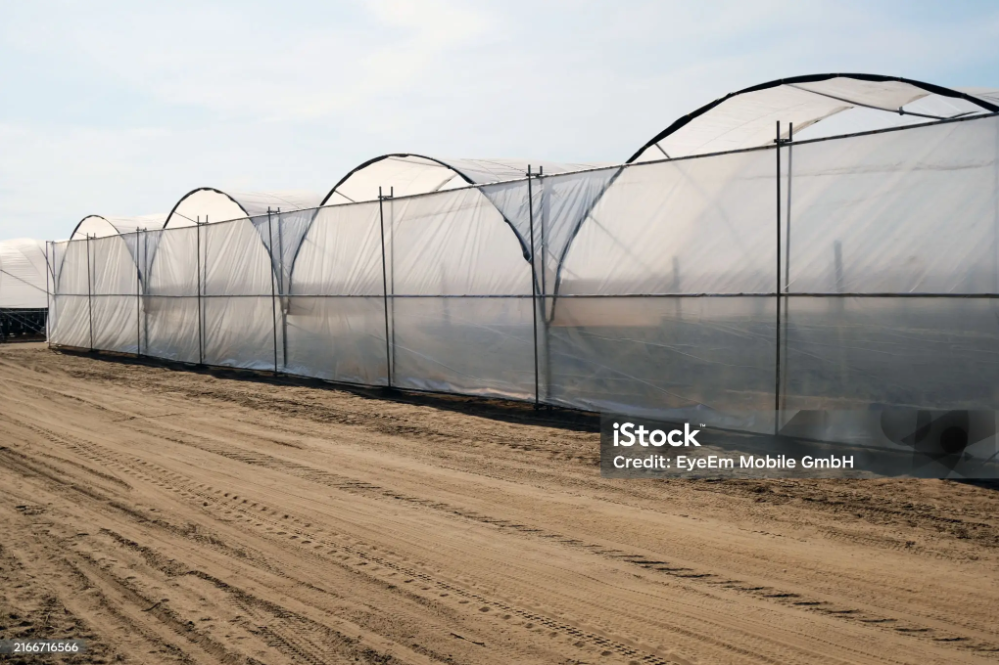
With their unmatched cost benefits, remarkable climate adaptability, and significant production efficiency, plastic film greenhouses have become an indispensable part of modern smart agriculture. They are not a compromise between expensive fully automated glass houses and high-risk open-field farming but a proven, cost-effective strategic choice.
If you are struggling with unpredictable weather, high production costs, or stagnant yields, investing in a well-designed plastic film greenhouse could be the most critical step toward standardizing, scaling, and optimizing your agricultural business.
At Kunyu Greenhouse, we have deep expertise in the agricultural greenhouse industry. We are committed to providing end-to-end solutions for our clients, from design and planning, material production, and installation to technical guidance. Our expert team can tailor the most suitable plastic film greenhouse solution based on your specific location, climate conditions, and cultivation needs, helping you easily overcome climate challenges and achieve bountiful returns.
Contact us today for a free consultation and a personalized quote!

Copyright ©Kunyu Greenhouse Co., Ltd. All Rights Reserved | Sitemap