
With advancements in modern agricultural technology, greenhouse farming has become a core strategy for addressing climate change and ensuring food security. The choice of greenhouse covering materials directly impacts greenhouse performance and crop growth efficiency. Polyethylene film (Polyfilm), as an economical and practical covering material, is widely used globally due to its lightweight nature, excellent light transmission, and low cost. However, for growers, selecting the most suitable polyethylene film based on local climate conditions remains a critical challenge. This article provides a comprehensive selection and usage guide from both material science and practical perspectives.
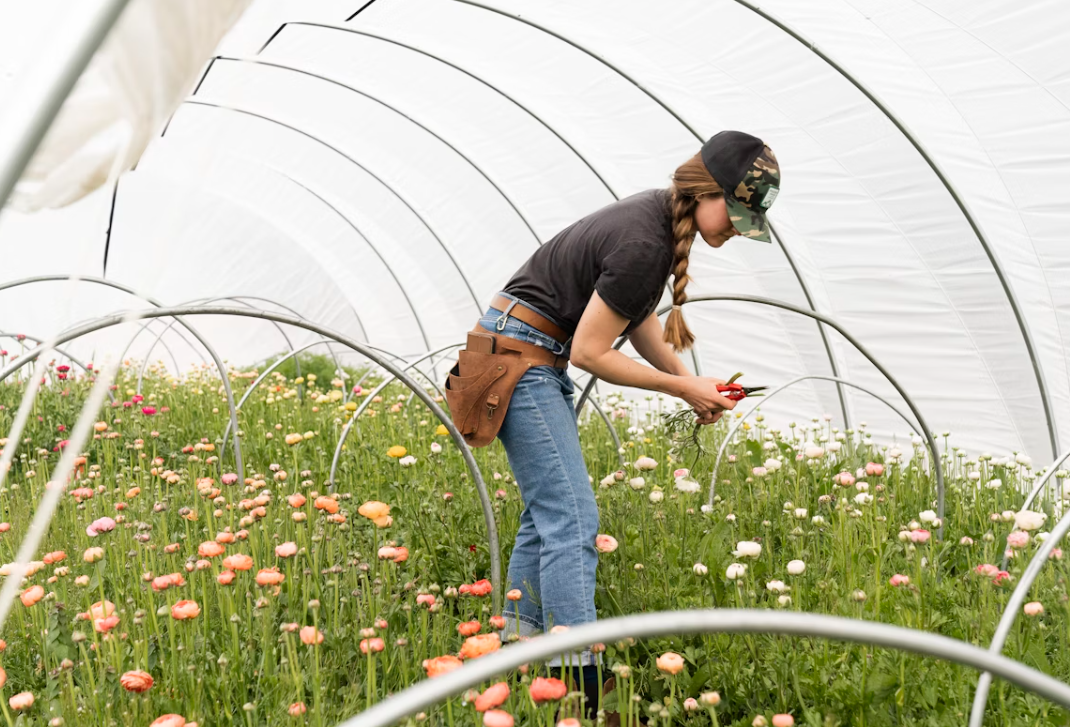
Polyethylene film is an "all-rounder" among greenhouse covering materials, especially suitable for small to medium-sized farms or growers with limited budgets. Its main advantages include:
Cost-Effectiveness: priced at just 1/5 to 1/10 of glass coverings, with easy installation significantly reducing initial investment.
Light Transmission Performance: high-quality polyethylene film can achieve over 90% light transmittance, evenly scattering light to promote crop photosynthesis.
Weather Resistance and Durability: modern processes incorporate UV stabilizers and anti-aging agents, extending the film's lifespan to 3–5 years (or even longer) and resisting ultraviolet rays, chemicals, and extreme weather.
Flexibility: lightweight material suitable for various greenhouse structures (e.g., arched or multi-span greenhouses) and supports seasonal replacement or upgrades.
Compared to glass or rigid plastic panels, polyethylene film slightly lags in impact resistance and insulation. However, these gaps are gradually narrowing through multi-layer composite or additive technologies.
Different regional climate conditions pose diverse requirements for greenhouse covering materials. Below are common climate issues and corresponding film selection recommendations:
Problem: rapid heat loss, snow accumulation increasing structural load.
Solution: choose multi-layer insulating film (e.g., double-layer laminated film), where the intermediate air layer effectively reduces heat conduction. Recommended thickness is at least 150–200 microns, with anti-drip coating to prevent condensation droplets from harming crops. For example, greenhouses in Northeast China reduced winter energy consumption by over 30% after using double-layer film.
Problem: overheating and UV radiation causing crop scorching.
Solution: use shading or reflective film with additives like titanium dioxide to partially reflect sunlight and reduce greenhouse temperature. Opt for open microporous structure film to enhance ventilation. For instance, growers in the Middle East reduced indoor temperatures by 5–8°C using highly reflective film.
Problem: strong winds tearing the film and damaging greenhouse structures.
Solution: prioritize high-tensile polyethylene film (tensile strength ≥30 MPa) and install with wind-resistant reinforcement design. Allow for expansion margins during installation to avoid stress concentration. For example, greenhouses in coastal areas using reinforced film with a thickness of over 200 microns increased wind resistance by 50%.
Problem: high humidity promoting mold and disease.
Solution: use anti-fog film (treated with surfactants) to form a water film instead of droplets, allowing condensation to flow down the walls rather than drip. Also, select film with high light transmittance to avoid dim environments. Farms in Southeast Asia reduced disease incidence by 25% after applying such film.
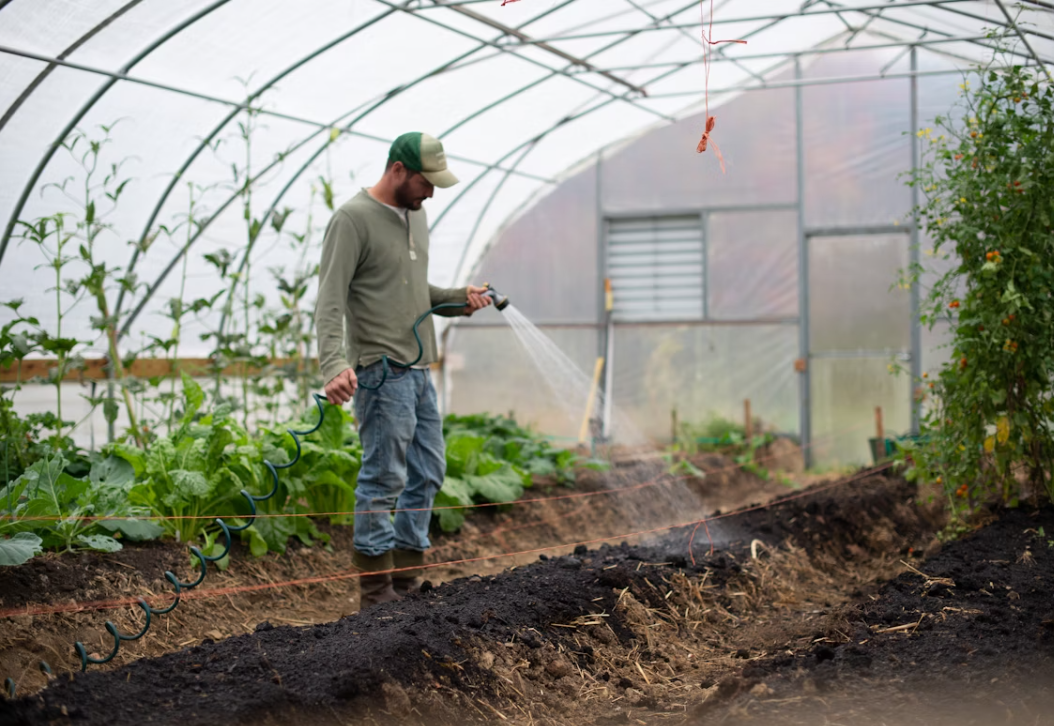
When purchasing polyethylene film, pay attention to the following technical indicators:
Thickness: common range is 80–200 microns. Thicker film (>150 microns) is more suitable for harsh climates but requires balancing cost and light transmission.
UV Protection Level: ensure the film contains UV stabilizers (e.g., HALS) to delay aging. High-quality film can offer UV protection for up to 5 years.
Light Transmission and Diffusion Performance: total light transmission should be above 85%, with a high proportion of diffused light benefiting even crop exposure.
Additive Features: choose additional functions such as infrared insulation (IR), anti-drip, or anti-dust based on needs.
Even the best film can fail due to incorrect installation. Pay attention to:
Structure Compatibility: ensure the greenhouse frame is smooth and free of sharp edges to avoid film damage.
Tension System: use specialized clamps and springs for fixation; add mesh support in windy areas.
Regular Maintenance: monthly inspections for cracks or slackness, timely repairs; use soft cloths and non-corrosive detergents for cleaning.
Proper maintenance can extend the film's lifespan by over 20%.
A vegetable greenhouse project in Inner Mongolia using 150-micron double-layer polyethylene film reduced winter fuel costs by 35% and increased cucumber yield by 22% annually. Additionally, due to the film's lightweight nature, greenhouse support costs decreased by 15%.
Q1: Can polyethylene film be recycled?
Yes, most polyethylene film can be recycled. Inquire about environmental certifications when selecting suppliers.
Q2: How often does the film need replacement?
Typically every 3–5 years, depending on climate and usage conditions.
Q3: How to identify film aging?
Signs include obvious brittleness, reduced light transmission, or cracks.
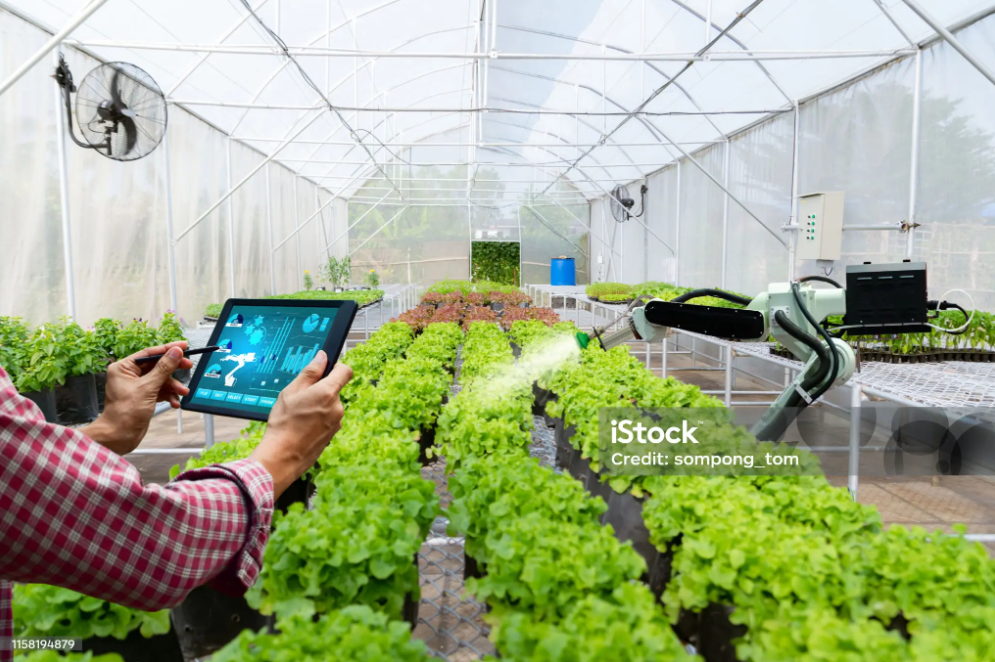
Polyethylene film coverings are an economical and efficient choice for addressing diverse climate conditions. Through scientific selection and proper maintenance, growers can not only enhance crop yield and quality but also significantly reduce operational costs. We recommend customizing solutions based on local climate characteristics. For any questions, feel free to contact our technical team for personalized support.

Copyright ©Kunyu Greenhouse Co., Ltd. All Rights Reserved | Sitemap