
Are you considering investing in a greenhouse to extend your growing season, protect plants from extreme weather, or grow fresh produce year-round? A greenhouse can be a game-changer for gardeners and farmers alike, but choosing the right one requires careful thought. With so many options available, it’s essential to consider factors like your local climate, available space, material durability, and budget. In this comprehensive guide, we’ll walk you through everything you need to know when buying a greenhouse to ensure it meets your specific needs and provides lasting value.

Your local climate is one of the most critical factors when selecting a greenhouse. Different regions face unique challenges, such as heavy snow, strong winds, intense heat, or high humidity. Here’s how to adapt:
Cold Climates: If you experience harsh winters with heavy snow, opt for a sturdy structure with a steep roof pitch to prevent snow accumulation. Double-layered polycarbonate panels or insulated glass can retain heat efficiently.
Hot Climates: In areas with high temperatures and intense sunlight, ventilation and shading are key. Look for greenhouses with roof vents, side vents, and shade cloths to prevent overheating.
Windy Regions: Ensure the framework is made of robust materials like galvanized steel and securely anchored to the ground.
Humid Areas: Prioritize ventilation and disease control systems to reduce moisture buildup and fungal growth.
By tailoring your greenhouse to your climate, you’ll create a stable environment for plants to thrive.
Before making a purchase, evaluate the available space in your garden or farm. Consider:
Footprint: Measure the area where you plan to install the greenhouse. Ensure there’s enough room for pathways and future expansion.
Height: Taller greenhouses allow for better air circulation and room for vertical growing.
Layout: Think about how you’ll use the space—whether for seedlings, mature plants, or storage.
A well-planned size and layout maximize efficiency and productivity.
The materials used for the frame and covering impact durability, insulation, and light transmission:
Frames:
Galvanized Steel: Strong and resistant to rust, ideal for windy or snowy climates.
Aluminum: Lightweight and low-maintenance but less insulating.
Wood: Aesthetically pleasing but requires regular treatment to prevent rot.
Coverings:
Polycarbonate: Shatterproof, lightweight, and offers excellent insulation.
Glass: Provides high light transmission but is fragile and expensive.
Polyethylene Film: Affordable and easy to install but less durable.
Select materials based on your climate, budget, and longevity expectations.

A greenhouse is a long-term investment. While it’s tempting to choose the cheapest option, consider the total cost of ownership:
Initial Costs: Includes the structure, covering, and foundation.
Operational Costs: Heating, cooling, watering systems, and ventilation.
Maintenance Costs: Repairs, replacement parts, and cleaning.
Investing in energy-efficient features like thermal curtains or solar panels can reduce operational costs over time.
Modern greenhouses come with various features to enhance functionality:
Ventilation: Automatic vent openers or exhaust fans regulate temperature and humidity.
Heating and Cooling: Depending on your climate, you may need heaters, evaporative coolers, or geothermal systems.
Irrigation: Drip irrigation or misting systems ensure consistent watering.
Lighting: Supplemental grow lights extend daylight hours in winter.
Identify which features are necessary for your goals, whether you’re growing herbs, vegetables, or ornamental plants.
Choose a reputable supplier with experience in your climate zone. Ask about:
Warranty: Coverage for materials and workmanship.
Installation Services: Professional installation ensures safety and efficiency.
Customer Support: Responsive support for troubleshooting and advice.
Read reviews and request case studies to verify the supplier’s reliability.
Plan for the future by considering:
Energy Efficiency: Incorporate renewable energy sources or energy-saving technologies.
Scalability: Can the greenhouse be easily expanded or modified?
Environmental Impact: Use recyclable materials and water-saving systems.
A sustainable approach not only benefits the environment but also reduces operating costs.
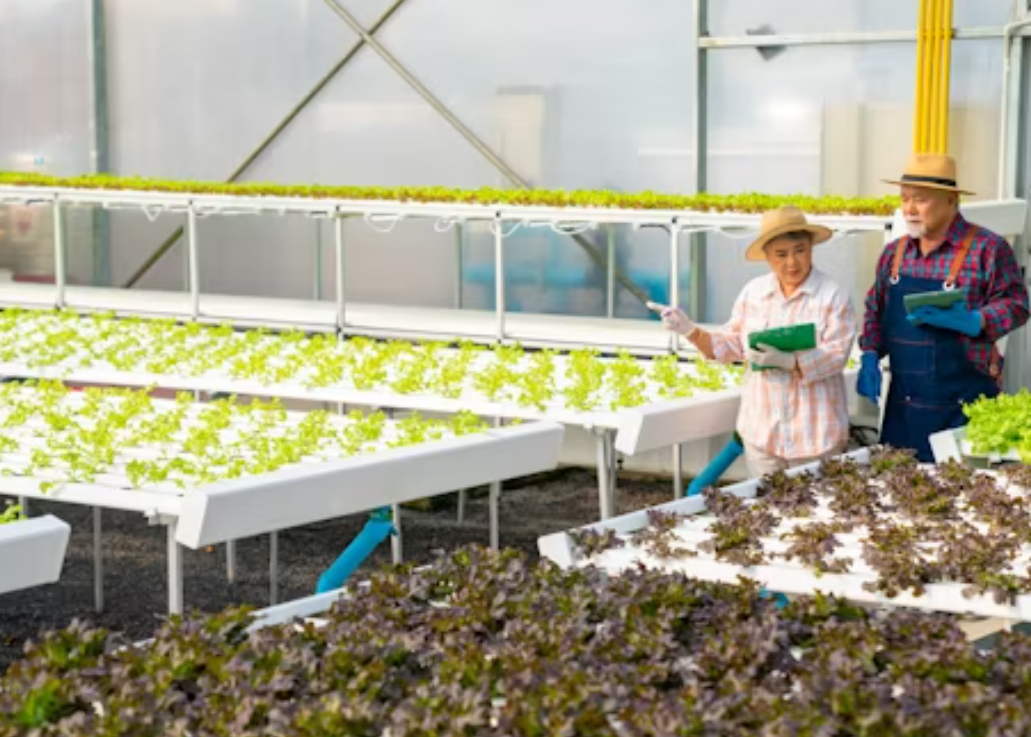
Buying a greenhouse is a significant decision that requires balancing climate adaptability, space, materials, budget, and functionality. By carefully evaluating these factors, you can select a greenhouse that solves local climate challenges, enhances your growing capabilities, and delivers years of enjoyment and productivity. Remember, the right greenhouse isn’t just a structure—it’s a tailored environment for your plants to flourish.
At Kunyu Greenhouse, we specialize in designing and building custom greenhouses for diverse climates and needs. Contact us today for a consultation, and let’s grow together!

Copyright ©Kunyu Greenhouse Co., Ltd. All Rights Reserved | Sitemap