
With evolving consumer preferences and market demands, high-value fruits and vegetables such as strawberries, blueberries, and cherry tomatoes have become the preferred choice for many growers due to their nutritional richness and significant economic benefits. However, these crops have extremely stringent environmental requirements. Traditional open-field cultivation is often limited by climate and pests, making it difficult to achieve high yields and quality. Modern agricultural greenhouses create ideal growing conditions for high-value produce through precise environmental control, significantly enhancing yield and quality. This article provides an in-depth analysis of the key environmental control points for cultivating strawberries, blueberries, and cherry tomatoes in greenhouses, empowering growers to achieve scientific management and maximize profits.
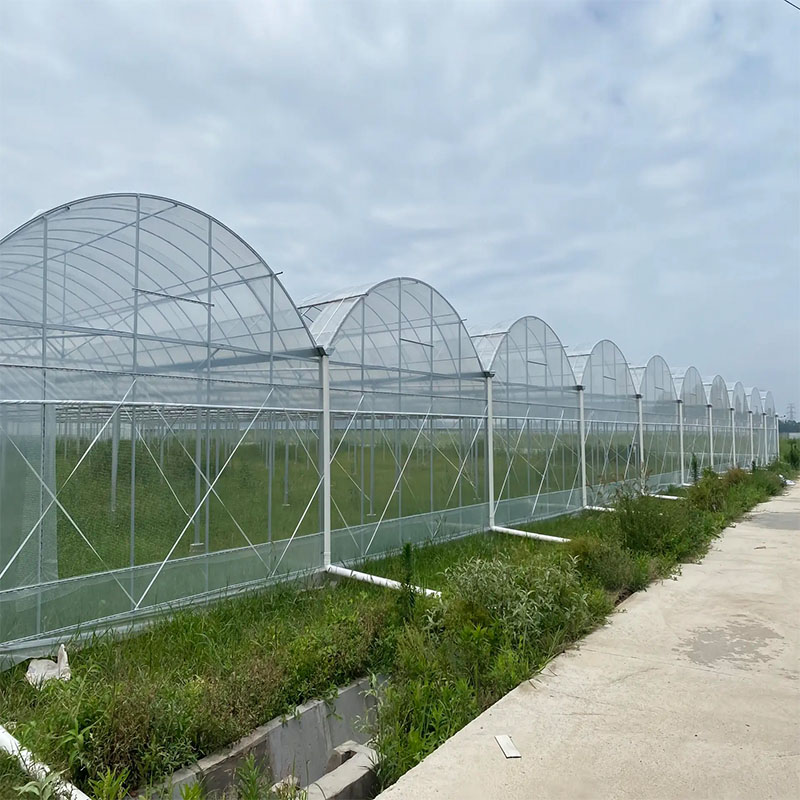
High-value crops are typically characterized by strong seasonality, short shelf life, and fluctuating market prices. For example, off-season strawberries in winter can fetch several times the price of their summer counterparts. Blueberries, known as "superfruits," enjoy continuously growing global demand. Cherry tomatoes are highly popular for their great taste and versatility. Greenhouse cultivation breaks seasonal constraints through environmental control, enabling year-round production and stable market supply, while also reducing pesticide use and improving product safety and marketable rate. Furthermore, greenhouses can integrate smart technologies for precise, data-driven production management, offering growers more stable returns.
Greenhouse environmental control involves multiple dimensions: temperature, humidity, light, CO2 concentration, and soil/substrate conditions. Below are the key management points analyzed according to the biological characteristics of strawberries, blueberries, and cherry tomatoes:
Strawberries: Prefer cool climates, with an optimal growth temperature range of 15-25°C (59-77°F). During the flowering period, temperature should be stable at 18-22°C (64-72°F); temperatures too high or too low can affect pollination and fruit set. Night temperatures should not fall below 8°C (46°F) to prevent dormancy or misshapen fruits. Winter greenhouses require enhanced insulation using methods like double-layer plastic film or thermal blankets; summer requires cooling via shading and ventilation systems.
Blueberries: As temperate crops, they are sensitive to temperature. The optimal growth range is 20-25°C (68-77°F). Flowering temperatures should be controlled between 18-22°C (64-72°F), avoiding temperatures above 30°C (86°F) which can cause pollen abortion. Blueberries require a certain amount of chill hours (time at 0-7°C / 32-45°F) to break dormancy, which must be simulated in greenhouses through artificial chilling or controlled heating schedules.
Cherry Tomatoes: The optimal growth temperature is 20-28°C (68-82°F), with a day-night difference of about 10°C (18°F) beneficial for sugar accumulation. The ideal flowering temperature is 22-26°C (72-79°F); temperatures exceeding 35°C (95°F) or below 12°C (54°F) can cause flower and fruit drop. Insulation is crucial in winter, while summer cooling can be achieved with pad-and-fan systems.
Practical Advice: Equip automatic climate control systems to monitor temperatures in different zones in real-time and link them with heating, ventilation, and shading equipment for dynamic adjustment.
High humidity is a primary cause of greenhouse diseases (like gray mold, powdery mildew), but excessively dry air can hinder plant transpiration and nutrient uptake.
Strawberries: Prefer 60-70% relative humidity during growth. Humidity should be reduced to 50-60% during flowering to improve pollination efficiency. High humidity during fruit ripening can cause fruit rot; use drip irrigation combined with regular ventilation for dehumidification.
Blueberries: Prefer relatively high humidity (60-70%) but have roots sensitive to waterlogging. A drip irrigation system is recommended to keep the soil moist but not waterlogged, while using top ventilation to reduce canopy humidity.
Cherry Tomatoes: Ideal humidity is 50-70%. High humidity during flowering affects pollen dispersal. Ventilation is recommended in the morning to avoid nighttime condensation.
Technical Solution: Install humidity sensors, used in conjunction with circulation fans or dehumidifiers. Adopt under-mulch drip irrigation or seepage irrigation to reduce surface evaporation.
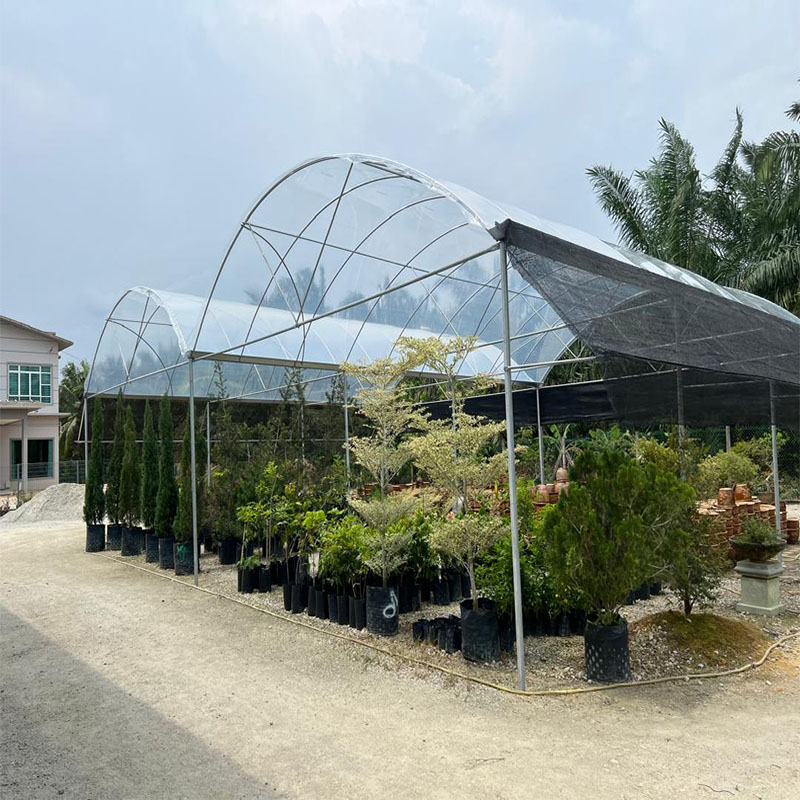
Light intensity and duration directly impact photosynthesis and flower bud initiation.
Strawberries: Require high light levels, with a light saturation point around 800-1000 μmol/m²/s. During winter light shortages, use LED supplemental lighting (preferably with a red:blue spectrum ratio of 4:1) for 2-4 hours daily to promote flowering and fruit set.
Blueberries: Prefer light but are sensitive to intense direct sunlight, with a light saturation point of 500-800 μmol/m²/s. Use shading nets with 30-50% density in summer to prevent sunscald; reflective ground covers can be used in winter to enhance light for lower leaves.
Cherry Tomatoes: Are high-light crops, with a light saturation point reaching 1000-1500 μmol/m²/s. Ensure at least 8 hours of light daily; artificial lighting is necessary during prolonged cloudy weather. Insufficient light during fruiting can lead to uneven fruit coloring.
Innovative Application: Smart lighting systems can automatically adjust shade net deployment and supplemental light intensity based on weather conditions for energy efficiency.
In sealed greenhouses, CO2 concentration often falls below ambient levels (300-400 ppm), becoming a limiting factor. Elevating CO2 concentration to 800-1000 ppm can increase photosynthetic rate by over 30%.
Universal Strategy: Use CO2 generators or liquid CO2 release systems to supplement levels on sunny days, typically between 9 AM and 3 PM. Note: Supplementation should pause during ventilation periods to avoid waste.
Strawberries: Thrive in loose, fertile, slightly acidic soil (pH 5.5-6.5). Soilless cultivation using coconut coir or peat-based substrates is recommended to avoid soil-borne diseases; maintain EC values between 1.5-2.5 mS/cm.
Blueberries: Have strict requirements for acidic soil conditions (pH 4.2-5.5). Use sulfur to acidify soil or select pre-acidified substrates (e.g., pine bark mixed with leaf mold). Monitor pH regularly to prevent iron deficiency chlorosis.
Cherry Tomatoes: Adapt well to loam or substrates with a pH of 5.5-6.8. Bag or trough cultivation is recommended, paired with an integrated fertigation system for precise nutrient control.
Irrigation Strategy: Adjust irrigation volume based on growth stage – frequent, light watering for seedlings, increased volume during fruiting; monitor substrate moisture to avoid root hypoxia.
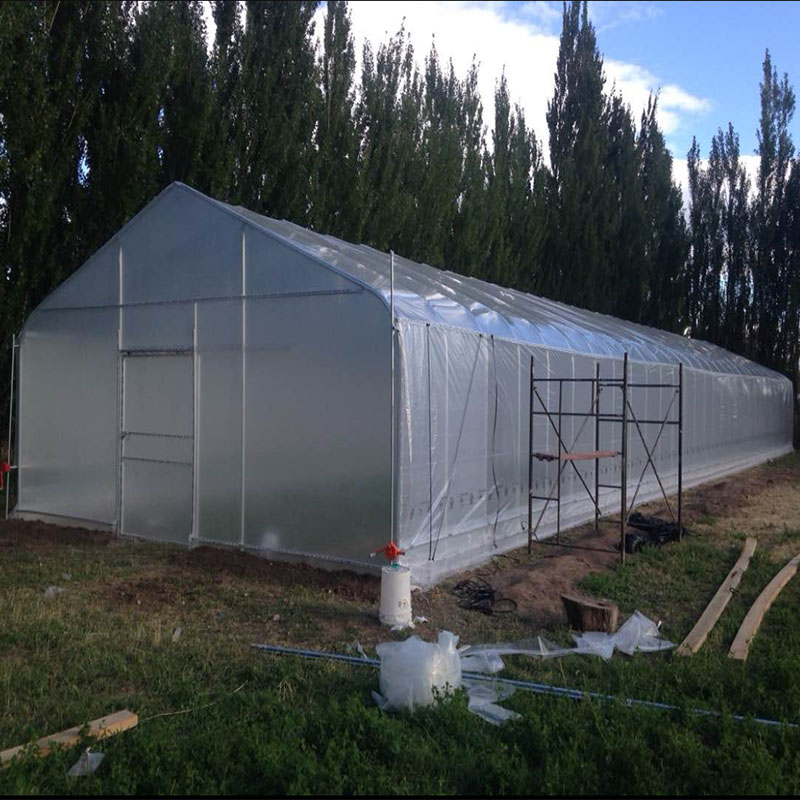
Modern greenhouses are evolving from "experience-based planting" to "data-driven planting." By deploying sensor networks that collect real-time data on temperature, humidity, light, CO2, and soil conditions, and integrating this data with crop models and AI algorithms, environmental equipment can be automatically controlled. Examples include:
Smart Alerts: Systems can predict pest and disease risks based on historical data, initiating preventive measures in advance.
Integrated Fertigation: Automatically adjusts nutrient solution formulas and irrigation schedules based on plant needs and environmental conditions.
IoT Platforms: Enable remote monitoring via mobile devices, moving towards "unmanned" management.
A modern agricultural base deployed a comprehensive environmental control system in their strawberry greenhouse. By precisely regulating the day-night temperature differential and humidity, they increased the fruit Brix level to over 12%, achieved a marketable fruit rate exceeding 90%, and shortened the growth cycle by 15 days. This enabled them to sell at premium off-season prices, significantly shortening the investment payback period.
Precise environmental control is the key determinant of success in growing high-value fruits and vegetables in greenhouses. Through meticulous management of temperature, humidity, light, CO2, and rootzone environment, growers can not only maximize crop potential but also effectively navigate market fluctuations for sustained profitability. As technology advances, smart greenhouses are becoming the core infrastructure for high-quality agricultural development.
If you are planning or upgrading a greenhouse project, please feel free to contact us. We specialize in integrated modern greenhouse solutions, offering一站式服务 (one-stop services) from design and construction to operational support, empowering your success in the field of high-efficiency agriculture!

Copyright ©Kunyu Greenhouse Co., Ltd. All Rights Reserved | Sitemap