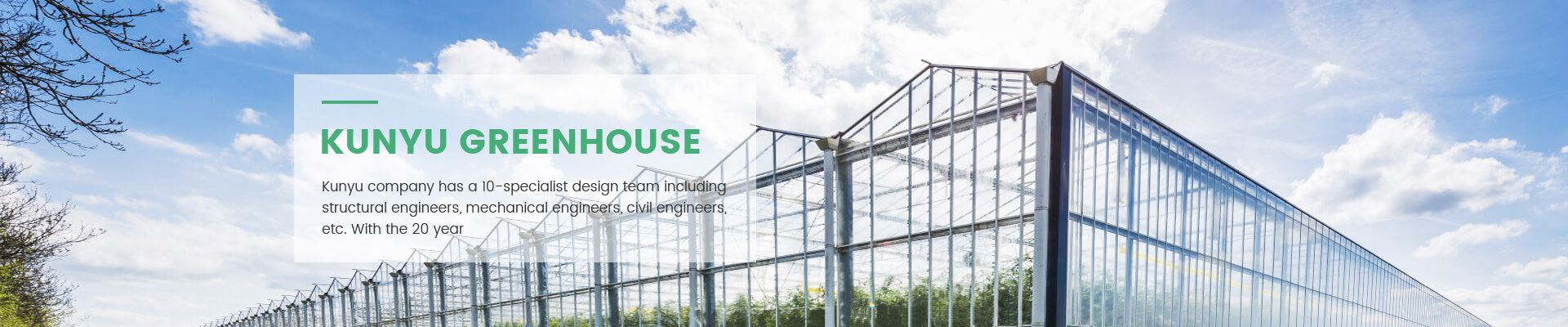
When investing in a greenhouse, one of the most common questions we hear is, “How long will it last?” The answer isn’t straightforward—greenhouse longevity depends on multiple factors, including materials, design, climate, and maintenance. Generally, a well-built greenhouse can last anywhere from 10 to 30 years or more. In this article, we’ll break down what influences the lifespan of a greenhouse and share practical tips to help you get the most out of your structure, especially in challenging environments.
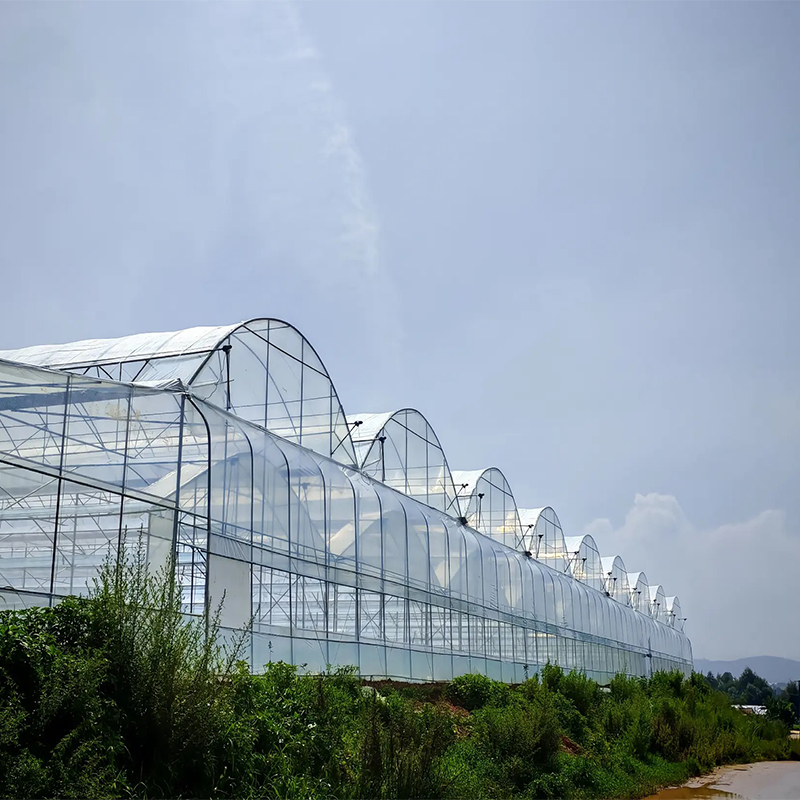
Why Lifespan Matters: More Than Just Durability
For farmers, commercial growers, and avid gardeners, a greenhouse is a significant investment. It’s not just about protecting plants—it’s about ensuring year-round production, optimizing growing conditions, and maximizing return on investment. A longer-lasting greenhouse means greater sustainability and lower long-term costs. But to achieve that, you need to understand the factors that contribute to its durability.
Key Factors Affecting Greenhouse Lifespan
Materials Matter: From Frame to Covering
The materials used in your greenhouse play a critical role in its longevity.
Polycarbonate Panels: Highly impact-resistant, with a lifespan of 10-20 years. They offer excellent insulation and UV protection.
Polyethylene Film: Affordable but less durable, usually needing replacement every 3-5 years.
Glass: Elegant and long-lasting (20+ years) but fragile and expensive to repair.
Galvanized Steel: Highly durable and resistant to rust, often lasting 20-30 years with proper maintenance. Ideal for windy or snowy regions.
Aluminum: Lightweight and rust-proof, but may be less sturdy in extreme weather. Lifespan: 15-25 years.
Wood: Aesthetically pleasing but requires regular treatment to prevent rot and insect damage. Typically lasts 10-15 years.
Frames:
Coverings:
Structural Design and Engineering
A well-engineered design can significantly extend a greenhouse’s life. Features like reinforced trusses, strategic ventilation, and snow load support help the structure withstand environmental stresses. For example, in snowy areas, a steeply sloped roof prevents snow accumulation, reducing the risk of collapse.
Climate and Environmental Challenges
Your local climate is one of the biggest determinants of greenhouse lifespan.
Cold/Snowy Regions: Heavy snow can deform or collapse weak structures. Solution: Choose a sturdy frame (e.g., galvanized steel) and a steep roof design.
Windy Areas: Strong winds can tear coverings or destabilize the frame. Solution: Opt for anchored foundations and wind-resistant materials.
High Heat/Humidity: UV radiation and moisture can degrade coverings and promote corrosion. Solution: Use UV-stabilized panels and corrosion-resistant frames.
Maintenance Practices
Regular maintenance is the simplest way to extend your greenhouse’s life.
Inspect and clean coverings periodically to prevent dirt buildup and damage.
Check for rust, loose bolts, or wear and tear, especially after extreme weather.
Replace damaged parts promptly to avoid further deterioration.
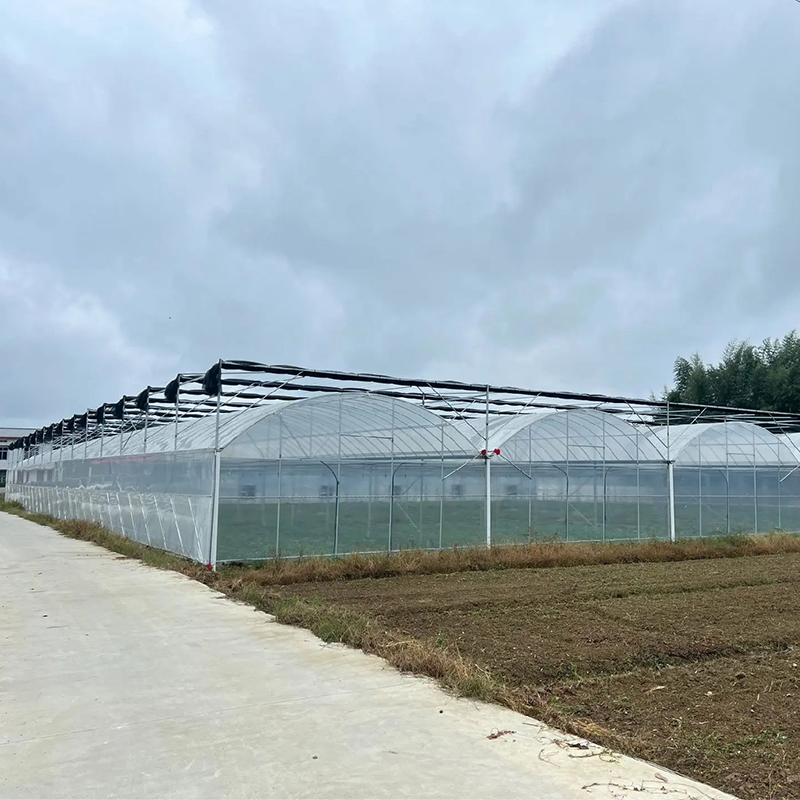
Choose the Right Structure for Your Climate
At [Your Company Name], we customize greenhouses based on regional challenges. For example, our reinforced steel structures are engineered for snowy regions, while our vented designs help dissipate heat in tropical areas.
Invest in Quality Materials
Don’t compromise on materials—high-quality frames and coverings may cost more upfront but save money in the long run. Our polycarbonate panels, for instance, come with a 10-year warranty against yellowing and degradation.
Perform Regular Maintenance
Create a maintenance schedule:
Clean coverings every season to maintain light transmission.
Inspect seals and joints for leaks.
Lubricate moving parts (e.g., vents and doors).
Address Issues Immediately
Small problems, like a torn covering or a rusty bolt, can escalate quickly. Repair them ASAP to avoid costly replacements.
We understand that a greenhouse is a long-term investment. That’s why we engineer our structures to last, using premium materials and climate-specific designs. Our greenhouses are built to withstand everything from heavy snow loads to intense UV exposure. Plus, we offer ongoing support and maintenance tips to help you maximize your greenhouse’s lifespan.

The expected lifespan of a greenhouse varies, but with the right materials, design, and maintenance, you can enjoy decades of productive growing. Whether you’re in a snowy mountain region or a humid coastal area, choosing a greenhouse tailored to your climate is key. At [Your Company Name], we’re committed to helping you build a sustainable and efficient growing environment that stands the test of time.

Copyright ©Kunyu Greenhouse Co., Ltd. All Rights Reserved | Sitemap