The African continent holds 60% of the world's uncultivated arable land, representing immense potential for agricultural development. However, its variable and often harsh climatic conditions—from the hot and arid edges of the Sahara to the humid and rainy regions of Central Africa—pose significant threats to traditional farming. Drought, heavy rain, extreme heat, strong winds, and pervasive pests frequently lead to reduced yields or even crop failure.
In this context, greenhouse technology becomes a game-changer. It is no longer a luxury but a necessity for achieving food security, agricultural modernization, and economic growth in many regions. But a central question remains: What type of greenhouse is most suitable for Africa? The answer is not singular; it highly depends on your specific local climate. This article will serve as your guide to making the most informed choice.
Africa's climate is not monolithic, so a "one-size-fits-all" greenhouse solution does not work. The main challenges can be categorized into three types:
Tropical & Humid Climates (e.g., West Africa, Central African coasts):
Challenges: Consistently high temperatures and humidity; heavy rainfall and hail; high pest and disease pressure; intense solar radiation.
Needs: Extreme emphasis on ventilation, cooling, shading, and protection from rain/hail, alongside effective pest exclusion.
Arid & Semi-Arid Climates (e.g., Sahel region, Horn of Africa, parts of Southern Africa):
Challenges: Extreme heat and intense sunlight; critical water scarcity; sandstorms and dry, hot winds; significant diurnal temperature swings.
Needs: Cooling is the top priority, coupled with integrated water-saving technologies (e.g., drip irrigation); structures must be wind and sand resistant; ability to utilize cool night air for natural cooling.
High-Altitude & Temperate Climates (e.g., East African highlands, Ethiopia, parts of South African mountains):
Challenges: Intense ultraviolet (UV) radiation; significant diurnal temperature variation (warm days, cold nights); potential for frost.
Needs: Good thermal insulation to protect against night cold; requires ventilation and shading to control daytime temperatures; structures need to be sturdy to withstand wind.
Based on the challenges above, here are several proven greenhouse types well-suited to African conditions.
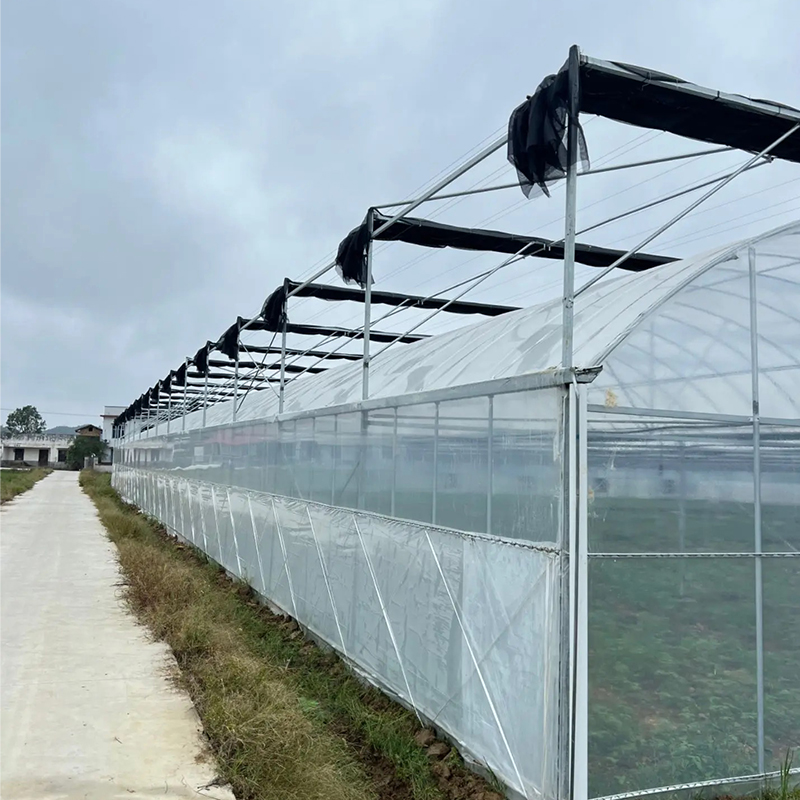
1. Net Houses / Shade Houses
Description: Use high-strength plastic netting instead of traditional plastic film or glass as cladding.
How They Tackle Challenges:
Cooling & Shading: Provide varying shading rates (typically 35%-80%) to effectively reduce internal temperature and prevent crop scorching.
Ventilation & Pest Protection: Side and roof nets offer 360-degree natural ventilation, while high-mesh insect nets effectively block key pests like whiteflies and aphids, drastically reducing pesticide use.
Wind & Hail Protection: The mesh structure allows wind to pass through, reducing structural damage risk, and buffers hail impact.
Best For: Nearly all African regions, especially tropical humid areas (pest/rain protection) and arid zones (shading/cooling). A highly cost-effective entry-level option.
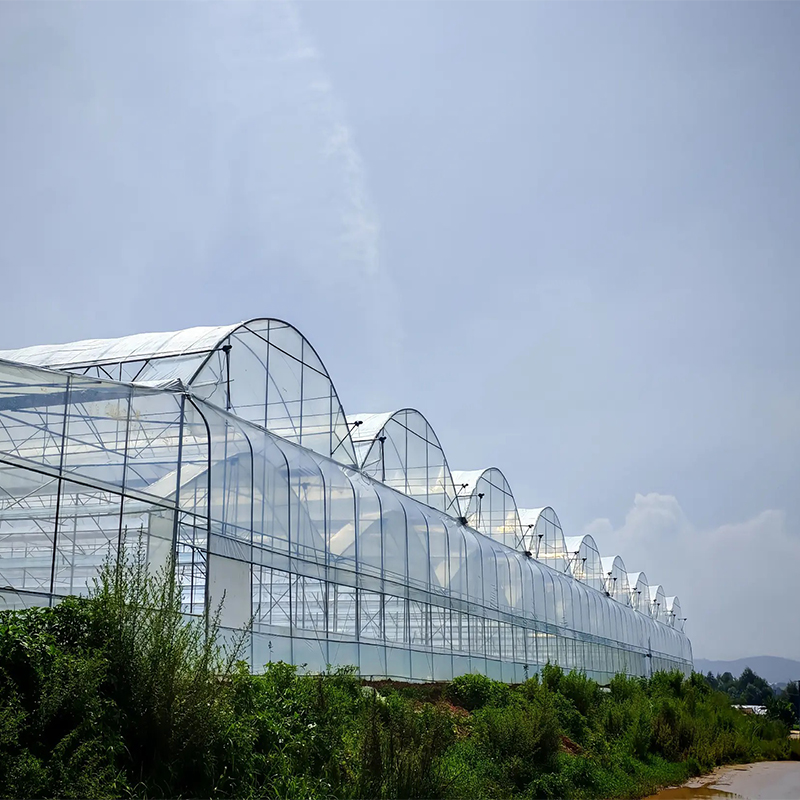
2. Naturally Ventilated Greenhouses
Description: Typically use a gutter-connected or sawtooth roof design with large sidewall ventilation openings (roll-up sides) and roof vents (windows).
How They Tackle Challenges:
Create "Stack Effect": Hot air rises and escapes through roof vents, pulling in cooler air from the sides, creating powerful passive airflow for cooling without electricity.
Rain & Pest Protection: Vents can be fitted with insect nets, and side/roof panels can be closed during heavy rain.
Best For: Tropical humid regions and high-altitude areas. Ideal for high-value vegetables like tomatoes and cucumbers.
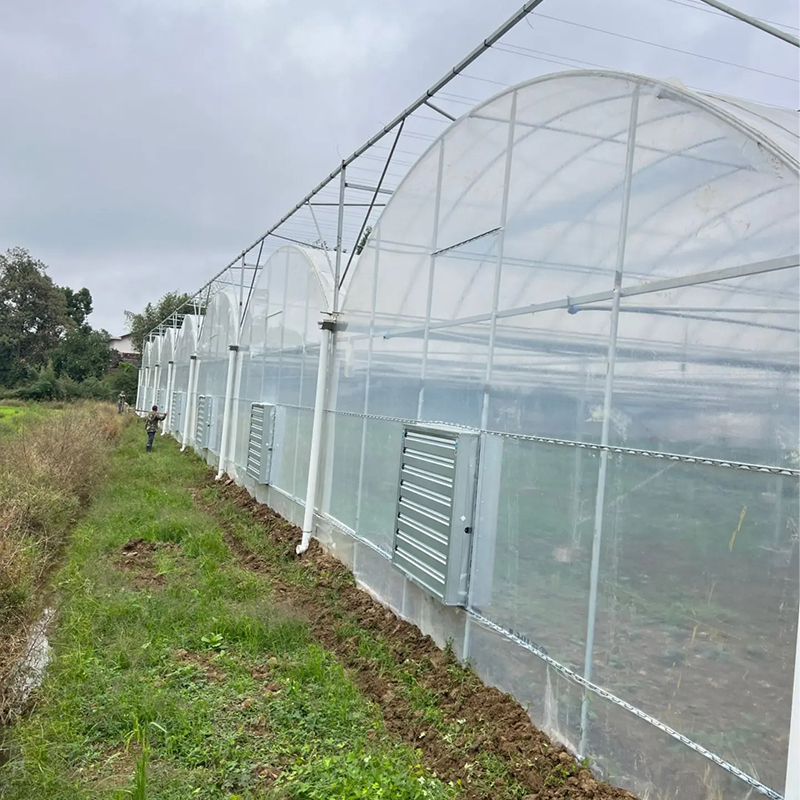
3. Semi-Closed Greenhouses / Pad & Fan Greenhouses
Description: A more advanced, precisely controlled system. Evaporative cooling pads are installed at one end, and large exhaust fans at the opposite end.
How They Tackle Challenges:
Active & Efficient Cooling: Fans pull hot air out, forcing external air through the wet pads. Water evaporation absorbs significant heat, achieving 5-10°C cooling. This is one of the most effective methods for extreme arid heat.
Wind & Sand Protection: Adding insect and sand nets on the air intake side (outside pads) keeps the internal environment clean in dry, dusty regions.
Humidity Control: In arid areas, this system can add beneficial humidity for crops.
Best For: Large-scale commercial farms in arid and semi-arid regions. While initial investment and operational (water, electricity) costs are higher, they guarantee stable production in extreme weather.
4. Solar Greenhouses
Description: A design focused on energy self-sufficiency and sustainability. Often features a highly insulated north wall (earth or brick) and a glazed south-facing surface, with insulating blankets deployed at night.
How They Tackle Challenges:
Heat Storage & Insulation: The massive north wall absorbs solar energy by day and releases heat at night, effectively combating the large diurnal swings and low night temperatures in high-altitude regions.
Energy Saving: Operates almost entirely on solar energy, drastically reducing energy costs.
Best For: High-altitude regions and areas with cold nights. Particularly suitable for smallholder family farms or community projects.
Follow these steps when selecting a greenhouse:
Step 1: Climate Analysis. Pinpoint your farm's climate zone and gather data on annual temperature, humidity, rainfall, wind, and sunlight.
Step 2: Crop Selection. What do you want to grow? Tomatoes, peppers, leafy greens, or flowers? Different crops have different light, temperature, and humidity requirements.
Step 3: Budget Assessment. Consider both initial investment and long-term operational costs (maintenance, energy, water). Net houses and ventilated greenhouses have lower OPEX; pad-and-fan systems have higher OPEX.
Step 4: Prioritize Key Features:
Cooling: Shading nets, ventilation area, pad-and-fan.
Pest Control: Insect net mesh size (e.g., 40-50 mesh is common).
Wind Resistance: Structural strength (galvanized steel frame is superior), foundation solidity.
Water Saving: Integrate drip irrigation and rainwater harvesting systems (collecting water from the greenhouse roof is an excellent strategy).
5. Step 5: Supplier Selection. Choose a supplier like us with proven experience and projects in Africa. We provide localized design, durable materials, professional installation guidance, and reliable after-sales service, ensuring your greenhouse is built to withstand local conditions.
Choosing a greenhouse for Africa is essentially purchasing "climate insurance" for your crops. The right choice not only protects against adversity but can turn potential climatic disadvantages into advantage for year-round stable, high production.
Whether it's the low-cost, functional net house, the efficiently ventilated naturally ventilated greenhouse, or the advanced technology of the pad-and-fan system for extreme heat, the key is finding the perfect match for your location's unique environment.
Contact us today. Our agricultural experts will provide free customized consultation and greenhouse solutions based on your specific location, goals, and budget. Let's work together to steer African agriculture toward a more prosperous and resilient future.

Copyright ©Kunyu Greenhouse Co., Ltd. All Rights Reserved | Sitemap