
For any commercial greenhouse operator, energy bills – particularly for winter heating and summer cooling – represent one of the largest operational expenses. With fluctuating and consistently rising energy prices, effectively managing this cost is directly tied to your profitability and market competitiveness.
Improving greenhouse energy efficiency is far more than just "saving on electricity bills." It is a systematic engineering effort that leads to a more stable crop growth environment, higher product quality, a reduced carbon footprint, and ultimately, a stronger bottom line. Regardless of the type of greenhouse you operate, the following 10 proven strategies will chart a clear path to higher efficiency and lower costs.
Before considering any major investments, start with the simplest and most economical task: inspection and sealing. A greenhouse that has been in use for several years may have numerous heat leaks around door and window gaps, joints in the covering material, and even around the foundation.
Action Plan:
Conduct a comprehensive air tightness check with each season change. Use an incense stick or smoke pencil to observe airflow directions.
Use specialized greenhouse sealing tape, foam weatherstripping, or silicone to promptly repair gaps between glass, polycarbonate sheets, or film.
Ensure all ventilation windows and doors close tightly and fit snugly.
Estimated Benefit: Proper sealing alone can reduce heat loss by up to 10-30%. This is a very low-cost measure with a high return.
Thermal curtains (or energy screens) are one of the most effective energy-saving devices in a modern greenhouse. They act like a retractable insulating layer above the crops. When deployed at night or during periods of low light, they significantly reduce radiant heat loss to the night sky and prevent warm air from rising and being wasted at the roof.
Action Plan:
Choose screen fabrics with high reflectivity and high insulating value, such as aluminum foil materials, which are far more effective than traditional blackout screens.
Ensure the screen system can close completely and seals tightly against the greenhouse sidewalls without gaps.
Integrate it with the climate computer for automatic operation based on light, temperature, and time.
Estimated Benefit: A well-designed thermal screen system can save 20%-50% of heating energy consumption.
The greenhouse cladding is its first barrier against the external environment. Your choice of material directly impacts light transmission, insulation, and durability.
Action Plan:
Double-glazed Glass or Twin-wall Polycarbonate: The air layer within these materials provides excellent insulation, with a much lower heat transfer coefficient than traditional single-glass or film.
Diffused Glass/Polycarbonate: This material converts direct sunlight into soft, scattered light, distributing it more evenly across the plant canopy and lower levels. This reduces the need for supplemental lighting to compensate for uneven light distribution and also prevents hot spots and leaf scorch.
Estimated Benefit: Upgrading to high-performance cladding materials, while having a higher upfront cost, can yield long-term savings of 15%-30% on energy, while also improving crop yield and quality.
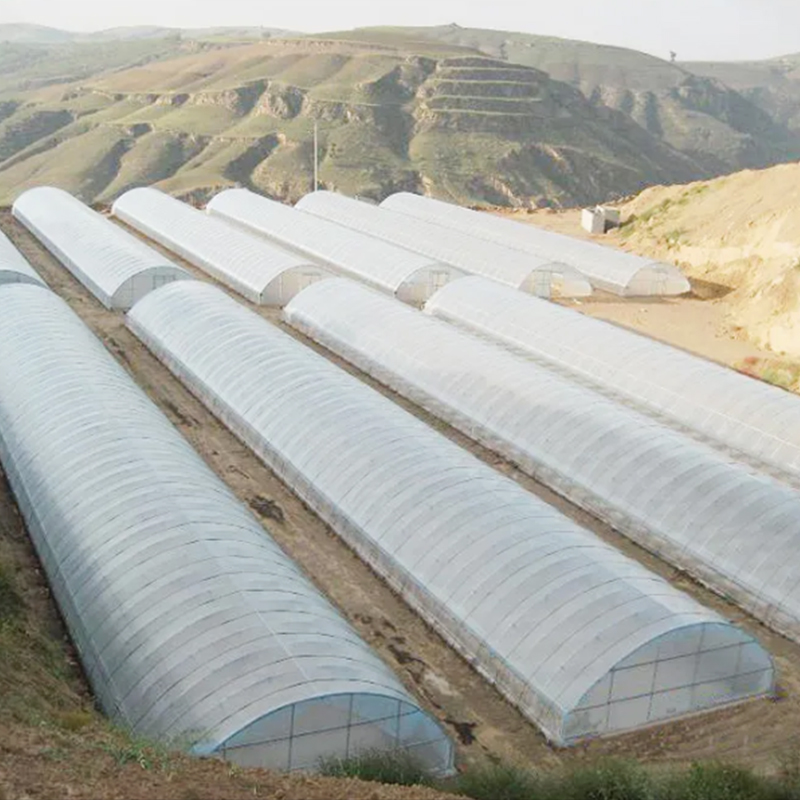
Heat is lost not only through the top and sides but also through the ground. This is especially critical in cold northern climates, where insulating the greenhouse perimeter and floor is essential.
Action Plan:
Install vertical insulation boards (often made of extruded polystyrene) around the greenhouse perimeter underground, to a depth of 0.8-1.2 meters, to prevent horizontal heat conduction through the soil.
Use a layer of gravel or insulating materials like foam concrete on the floor to reduce downward heat loss.
Estimated Benefit: Effective perimeter insulation, particularly in severe climates, can save an additional 5%-15% on heating energy.
Traditional, standalone temperature and humidity controllers struggle to cope with complex weather changes and crop needs. A smart climate computer integrates data from all sensors – indoor and outdoor temperature, humidity, light, wind speed, rain – and automatically coordinates all equipment (heating, ventilation, shading, lighting, cooling pads) based on preset crop growth models.
Action Plan:
Invest in a reliable greenhouse climate computer system.
Work with specialists to set the optimal climate strategy curves for your specific crops.
Use its data logging function to continuously analyze and optimize control strategies.
Estimated Benefit: By preventing "conflicting operation" of equipment (e.g., heating and ventilating simultaneously) and enabling more precise environmental control, a smart system can easily achieve 10%-25% energy savings.
This may seem unrelated to energy, but IPM, which relies on introducing beneficial insects and other biocontrols, reduces dependence on chemical pesticides. Spraying pesticides often necessitates running ventilation systems to exhaust harmful fumes, which in winter leads to significant heat loss.
Action Plan:
Establish a preventive IPM program with regular pest monitoring.
Prioritize the use of biological control agents like predatory mites and parasitic wasps.
Consider using low-toxicity, low-residue chemical pesticides only when pest thresholds are exceeded, and apply during warmer parts of the day to minimize ventilation energy needs.
Estimated Benefit: Reduces the number of mandatory ventilation cycles for pesticide exhaust in winter, indirectly saving heating energy.
Greenhouses often have excess heat during the day that needs to be vented, while heat is required at night. Thermal energy storage systems are designed to resolve this contradiction.
Action Plan:
Water-based Storage: Place black water barrels inside the greenhouse to absorb solar heat during the day and release it slowly at night.
Phase Change Materials (PCMs): Use special materials that store and release heat as they change phase (e.g., solid to liquid) at specific temperatures, offering higher efficiency.
Rock Bed Storage: Force hot air collected during the day through an underground bed of rocks, heating them. At night, blow air through the hot rocks to heat the greenhouse.
Estimated Benefit: Depending on the system scale, it can effectively supplement or even replace part of the nighttime heating demand.
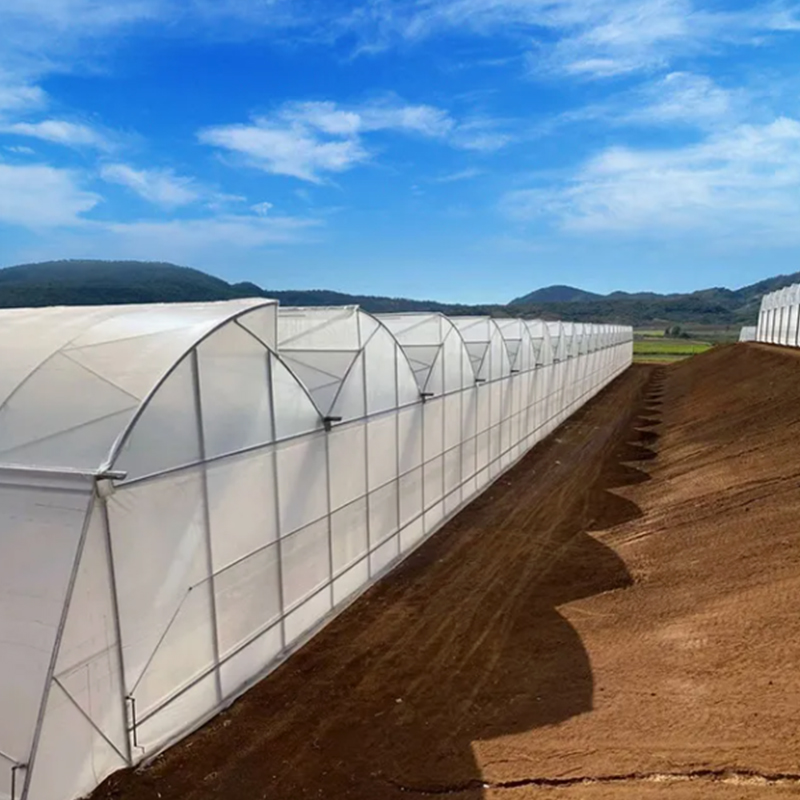
Transforming the greenhouse itself into an energy producer is the ultimate goal of energy efficiency.
Action Plan:
Geothermal Heat Pumps: Utilize the constant temperature of the soil below ground to extract heat for warming in winter and "coolth" for cooling in summer, offering a very high coefficient of performance (COP).
Solar Photovoltaic (PV) Panels: Install these on non-light-transmitting areas of the greenhouse or use semi-transparent PV panels. The generated electricity can power fans, pumps, lights, etc.
Biomass Boilers: Use agricultural waste (e.g., straw, wood chips) as fuel, which is low-cost and carbon-neutral.
Estimated Benefit: While the initial investment is significant, this approach can fundamentally eliminate dependence on external energy, resulting in very low long-term operational costs and enhanced environmental credentials.
Efficient plant arrangement and high-efficiency lighting ensure every kilowatt-hour of electricity is used to its fullest potential.
Action Plan:
Adopt vertical farming or movable gully systems to maximize space and light utilization.
Replace traditional supplemental lights like High-Pressure Sodium (HPS) with full-spectrum LED grow lights. LEDs are vastly more electrically efficient and produce less radiant heat, reducing the cooling load in summer.
Use light sensors and controllers to provide light on-demand, avoiding waste.
Estimated Benefit: LED supplemental lighting can save 40%-60% energy compared to traditional lighting, and can improve crop quality due to its tunable spectrum.
If you don't know exactly where your energy is going and where it's used least efficiently, any improvements might be blind. Hiring a professional to conduct a comprehensive energy audit provides you with a clear "efficiency map."
Action Plan:
An energy auditor will use tools like thermal imaging cameras to precisely locate thermal bridges and leakage points.
They will analyze your annual energy bills and equipment operation data to build an energy consumption model.
The final report will list all feasible improvement measures, evaluating their cost, energy-saving potential, and payback period.
Estimated Benefit: The audit itself has a cost, but it ensures your subsequent investments are targeted, avoiding ineffective or suboptimal upgrades.
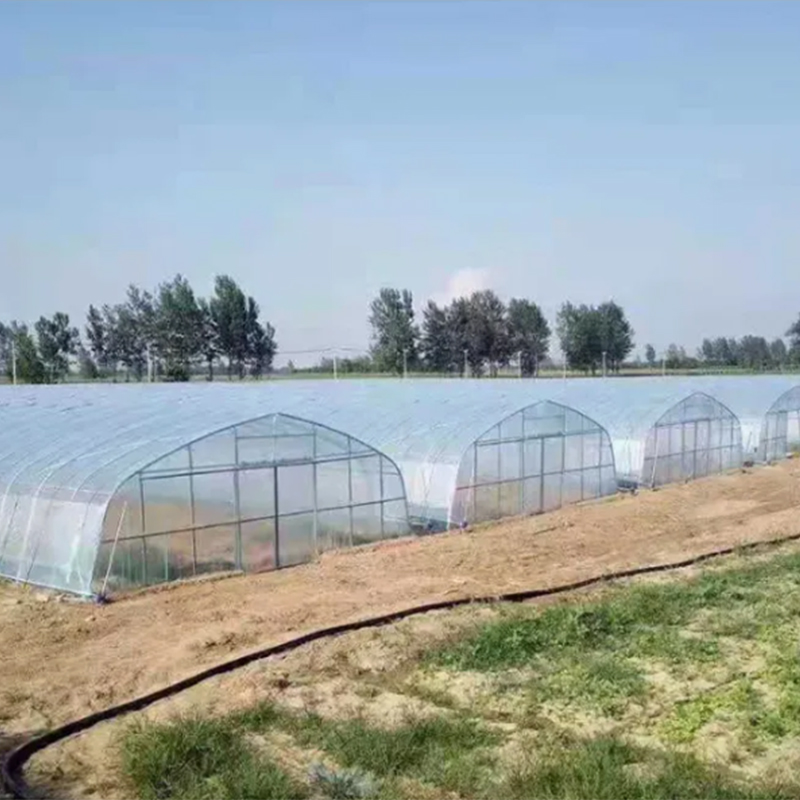
Improving greenhouse energy efficiency is not an overnight task but a process requiring continuous optimization and investment. We recommend a "tackle the easy wins first, implement in phases" strategy. Start today with a thorough sealing check, then plan upgrades like thermal curtains, smart control systems, or even cladding based on your budget.
Remember, in greenhouse agriculture, every unit of saved energy cost translates directly into your profit. This is not just about coping with current cost pressures; it's about building a more resilient, sustainable, and competitive agricultural enterprise for the future.
If you need a customized energy efficiency solution for your greenhouse, please feel free to contact our expert team.

Copyright ©Kunyu Greenhouse Co., Ltd. All Rights Reserved | Sitemap