
In today's agricultural landscape, high tunnels have become the go-to choice for countless farm owners due to their cost-effectiveness and ability to extend growing seasons. However, as operations scale and market competition intensifies, the traditional, labor-dependent high tunnel model faces severe challenges: rising labor costs, a growing scarcity of skilled workers, and micro-climate environments that are difficult to control with precision. These issues are silently eroding your profit margins.
Yet, within these challenges lies opportunity. A quiet smart revolution is happening in the fields—high tunnel automation. It's no longer a sci-fi concept but an accessible, practical technology that can tangibly transform your farm's operations. This article provides a comprehensive look at the immense benefits of high tunnel automation and how it can become your most powerful tool for reducing costs, improving efficiency, and enhancing quality.
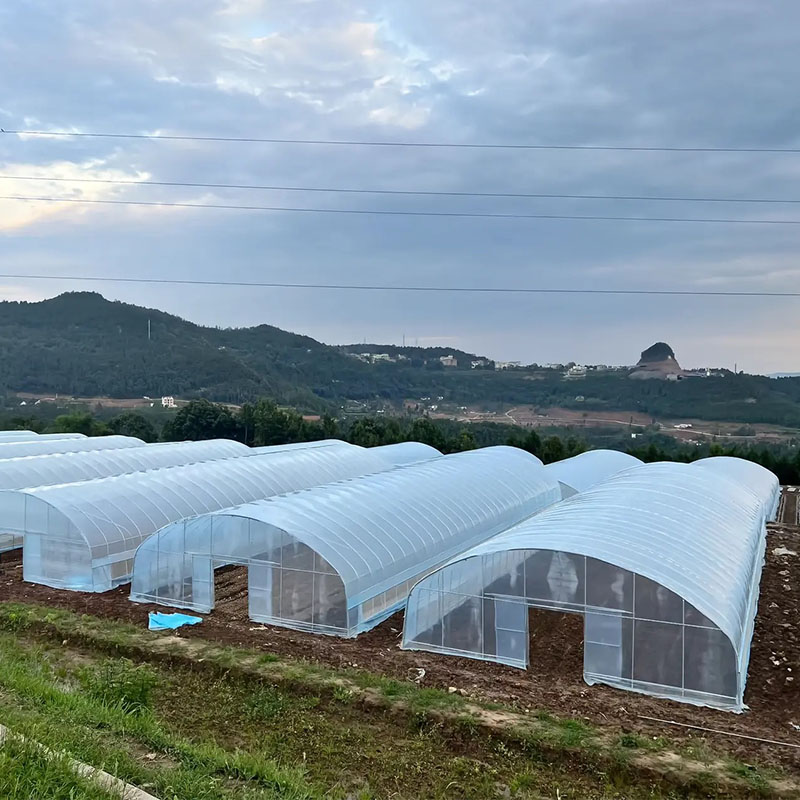
Before diving into the benefits, it's crucial to understand that high tunnel automation is far more than installing an electric roller. It's an integrated system of sensing, decision-making, and execution.
The Sensing Layer (The "Senses"): Includes sensors for temperature, humidity, light intensity, soil moisture, and CO2 levels. They collect real-time environmental data from inside the tunnel, 24/7.
The Decision-Making Layer (The "Brain"): Typically a central controller or cloud platform. It receives sensor data and makes decisions based on pre-set ideal models for crop growth (e.g., "open side vents when temperature exceeds 28°C").
The Execution Layer (The "Hands and Feet"): Includes automatic film/blanket rolling motors, automatic roof vents, fans, misting pumps, and solenoid-valve-controlled drip/micro-sprinkler systems. They receive commands from the "brain" and perform physical actions precisely.
The integration of these three layers creates an "intelligent high tunnel" that can breathe, irrigate, and regulate its temperature autonomously.
This is the most direct and appealing advantage of automation.
Eliminate Repetitive Manual Labor: Imagine no longer needing to manually roll up and down side films every day or walk through fields to open and close irrigation valves under the scorching sun. All these repetitive, time-consuming tasks are handled automatically. Studies show automation systems can save up to 50% of daily management labor.
Manage Multiple Tunnels with Fewer People: Labor freed up from manual tasks can be redirected to higher-value work like crop scouting, pest management, and marketing. This means you can manage a larger production area with the same workforce, enabling expansion.
Reduce Dependence on Skilled Labor: The system standardizes and codifies operations that once relied on individual experience, reducing management risks associated with staff turnover or inexperience.
Crops are like infants, highly sensitive to their environment. An automation system provides meticulous care.
Precision and Timeliness Beyond Human Capability: People can forget, be late, or misjudge. An automated system cannot. When the afternoon sun beats down and the internal temperature hits a critical point, the system can automatically initiate ventilation in seconds, preventing heat stress damage. It can close vents at night to retain heat as temperatures drop.
24/7 Micro-climate Optimization: The system maintains temperature, humidity, and light within a narrow, ideal range. This stable environment significantly reduces crop stress, accelerates growth cycles, and not only increases yield per unit area (by an estimated 20-30%) but also markedly improves product consistency, brix levels, and vitamin content, making your produce more competitive in the market.
In an era of increasingly scarce resources, saving water and fertilizer means saving costs and fulfilling social responsibility.
On-Demand Supply, Zero Waste: Traditional irrigation is often based on "feel," while automation is based on real data from soil moisture sensors. It waters only when the crop needs it and only in the required amount. Combined with EC/pH sensors and automatic fertilizer injectors, it enables precise fertigation.
Dual Benefits: This not only saves 20-40% of water and fertilizer, directly reducing production costs, but also minimizes nutrient leaching and groundwater pollution from over-irrigation, enabling environmentally friendly cultivation.
Farming depends on the weather, but automation provides a powerful "buffer."
Rapid Response, Avoid Losses: A sudden storm warning? The system can automatically close all vents within minutes, preventing rain ingress and internal crop damage. A spring frost? Automated heating systems inside the tunnel can activate when temperatures fall below a set point, protecting seedlings.
Remote Monitoring and Intervention: You don't need to be on the farm 24/7. Via a mobile app, you can check real-time environmental data and live video feeds from anywhere, receive alerts for anomalies, and manually intervene remotely (e.g., force-close a vent). This provides peace of mind when you're away.
The automation system is your farm's "black box," recording every detail of production.
From "Experience-Based" to "Data-Driven" Farming: The system logs all environmental data and irrigation/fertigation records throughout the growth cycle. When a particular crop cycle performs exceptionally well, you can precisely analyze which environmental management practices were key and standardize them. Conversely, if problems arise, you can quickly pinpoint the cause.
Enhances Brand Value and Market Trust: This complete production data chain provides powerful traceability for your produce. You can show buyers or consumers the environmental data from the growing process, demonstrating standardized and safe production practices, which forms a solid foundation for brand premium.
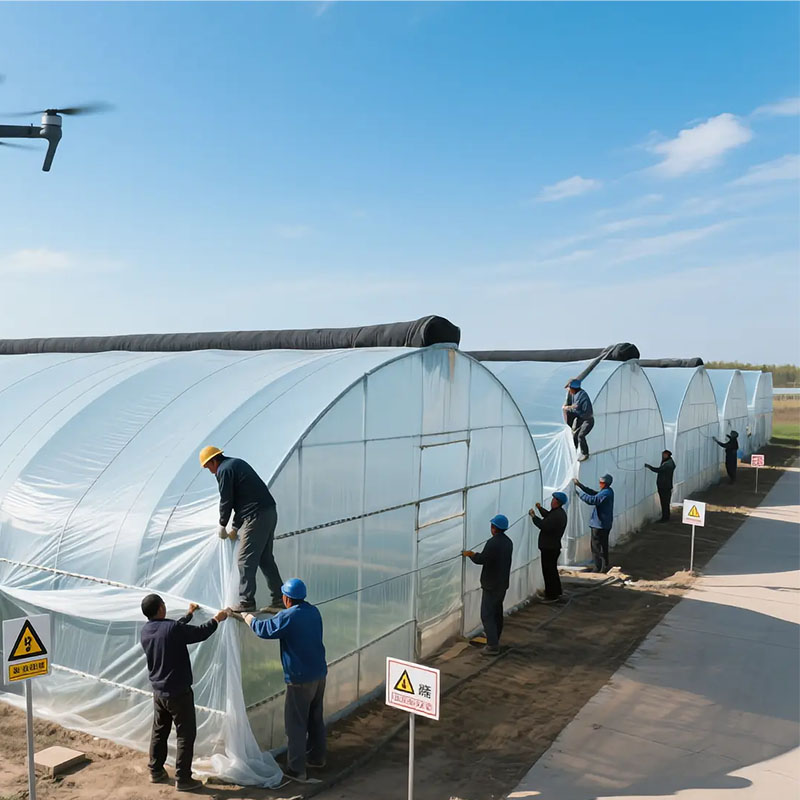
Seeing these benefits, you might be concerned about the initial investment. While an automation system requires upfront capital, view it as a high-return asset, not merely a cost.
ROI Analysis: Typically, a basic automation system (e.g., auto-rolling + auto-irrigation) pays for itself in 1-3 years. The returns from saved labor, increased yield and quality, and conserved inputs will quickly cover the initial investment and continue generating net profit thereafter.
Modular Implementation, Step-by-Step: You don't need full automation immediately. Start with your most pressing needs—for example, installing an automatic rolling system and an automatic irrigation system is a cost-effective starting combo. You can then add more advanced modules like environmental sensors or fertilizer injectors as needed and budget allows. This phased approach effectively manages initial financial pressure.
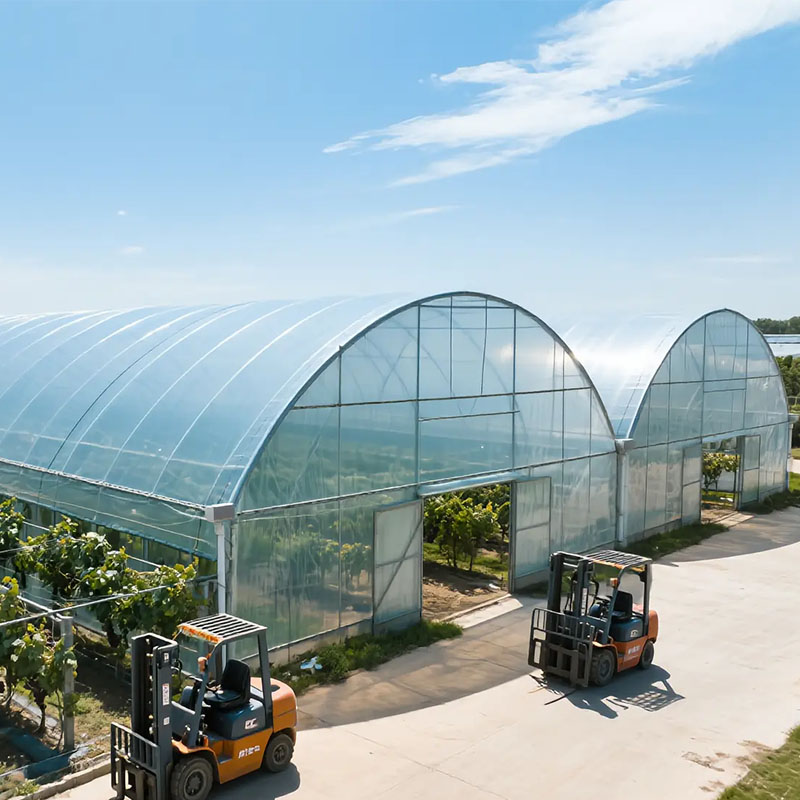
High tunnel automation is no longer exclusive to large agribusiness; it's becoming increasingly accessible and commonplace. It represents a smarter, more efficient, and more sustainable mode of agricultural production. It is not only the answer to current labor and scalability bottlenecks but also the key to maintaining a competitive edge in the future of farming.
While your competitors are still hesitating, be the first to embrace this change. Let technology become your most reliable employee, working 365 days a year to safeguard your harvest.
If you are considering empowering your farm with technology, please feel free to contact us. Our expert team will tailor the most economical and practical high tunnel automation solution based on your specific crops, scale, and budget, helping you step effortlessly into the new era of smart agriculture.

Copyright ©Kunyu Greenhouse Co., Ltd. All Rights Reserved | Sitemap